
Before, During, and After the Fill: A Practitioner’s Map of Market Microstructure Measurement
Every order sent to a market moves through the same three-part sequence: a decision made before it is sent, a…
High Frequency Trading | Low Latency systems | Market Making Models | C/C++
Every order sent to a market moves through the same three-part sequence: a decision made before it is sent, a…
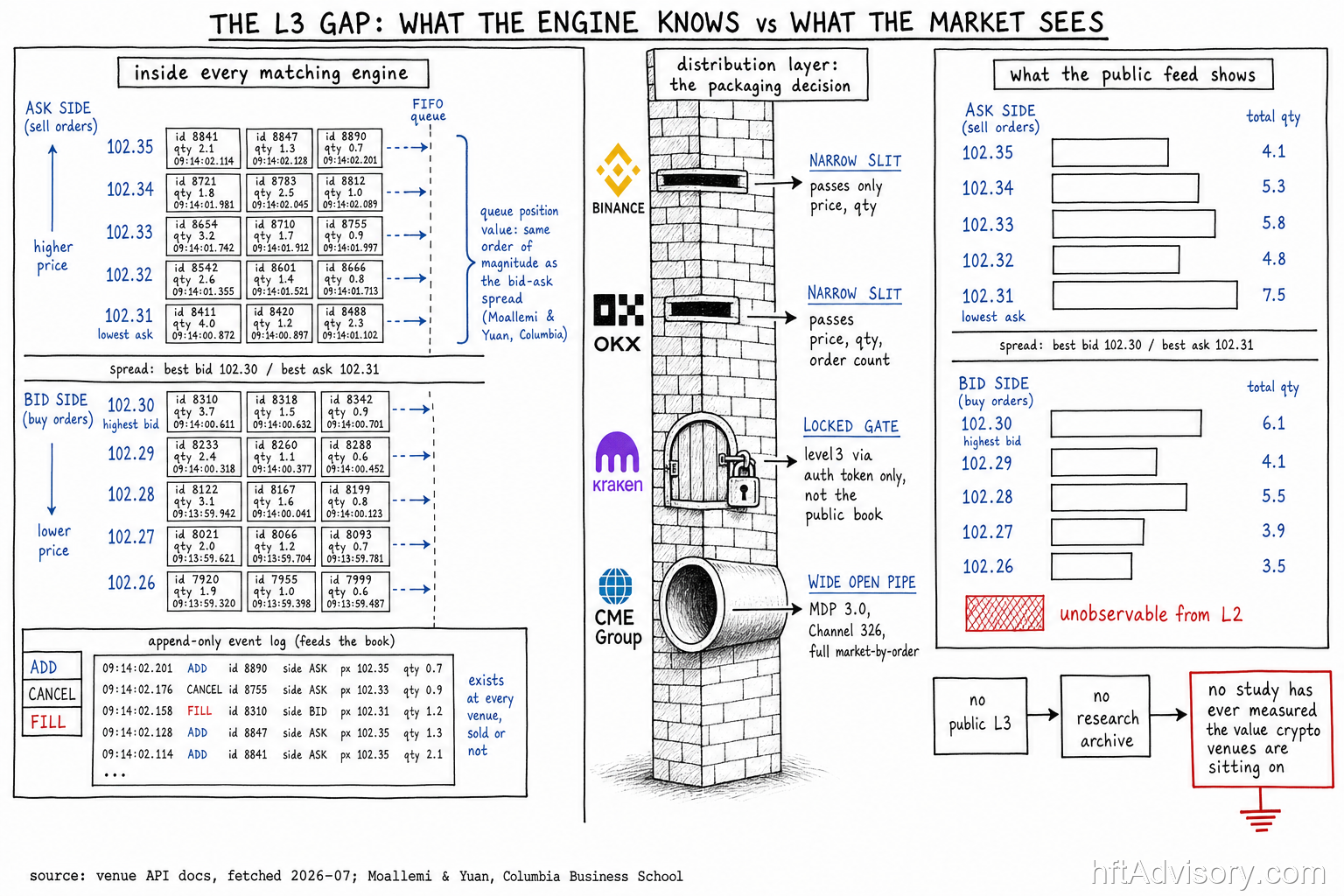
Level 3 market data exists inside every CLOB matching engine. Most crypto exchanges do not sell it. What that packaging gap costs and hides.
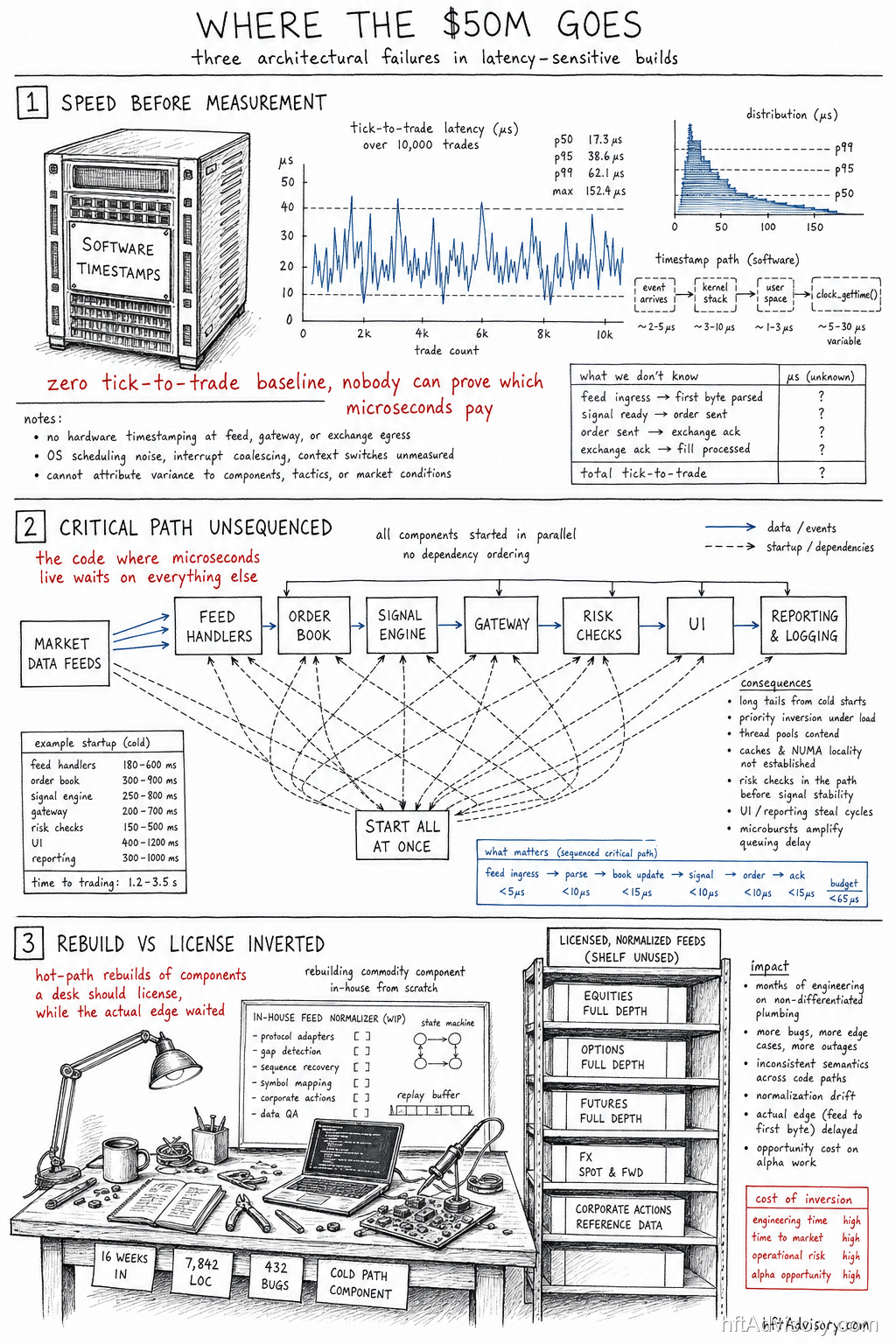
Where quant fund infrastructure money burns: a $50M build anatomy, three architectural failures, and the instrument-first framework that prevents them.
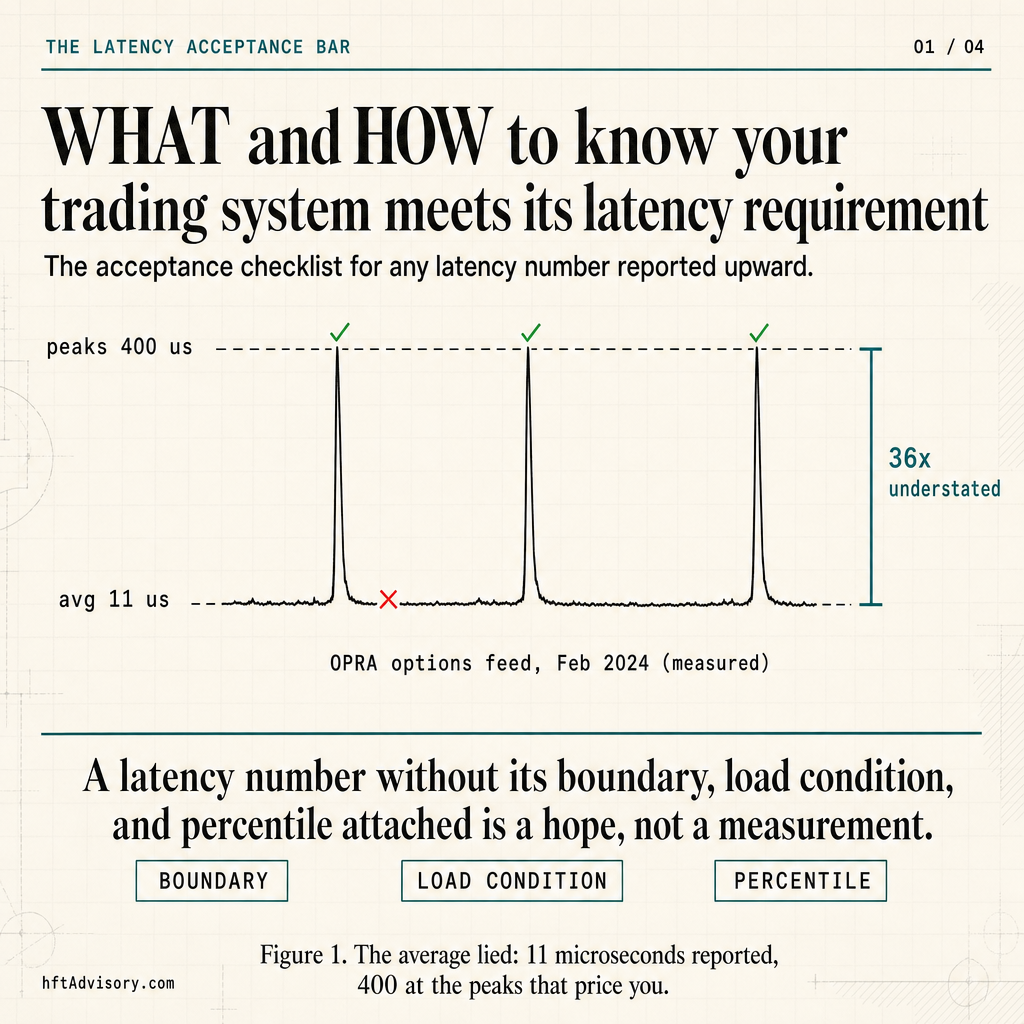
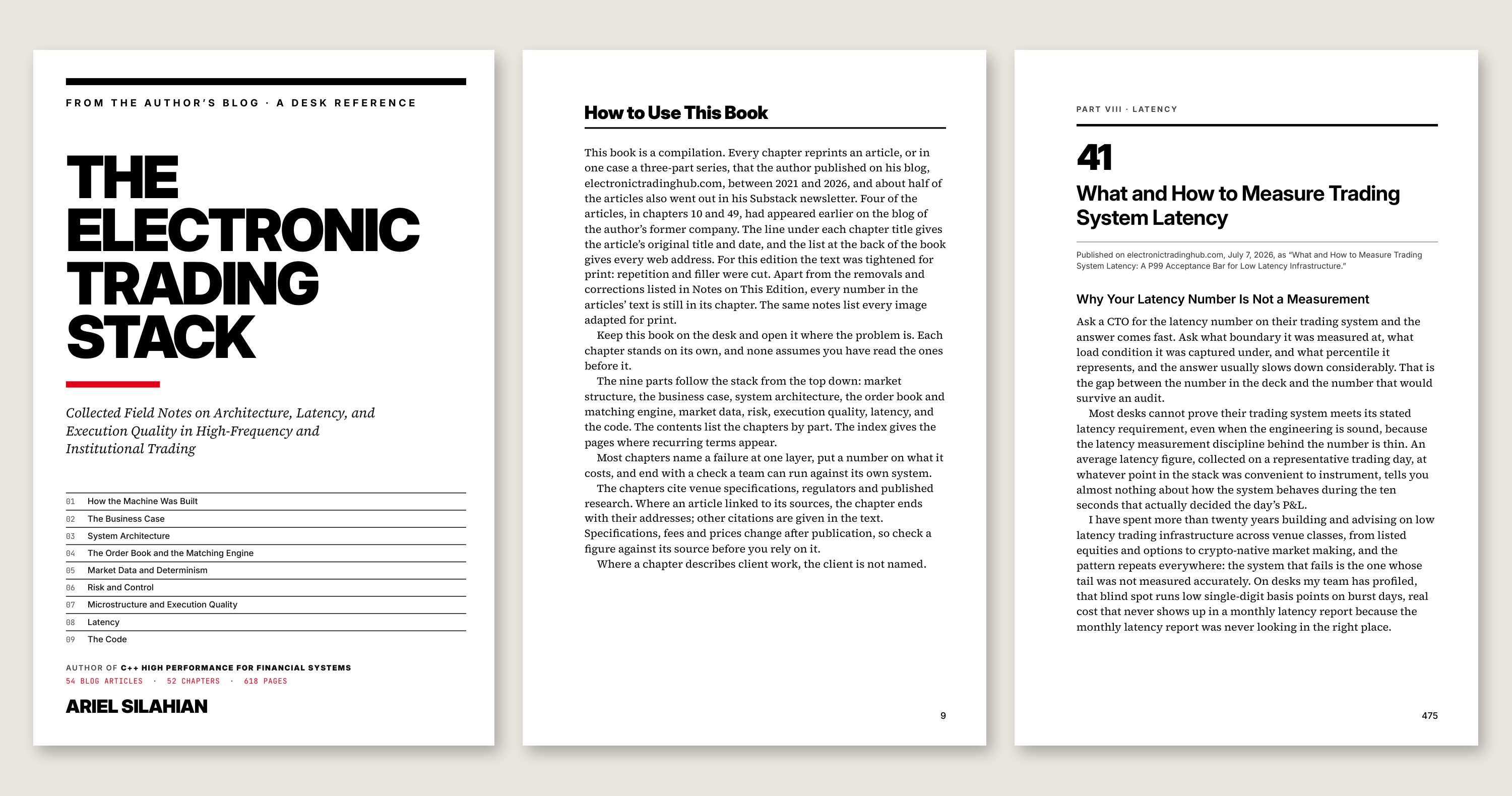
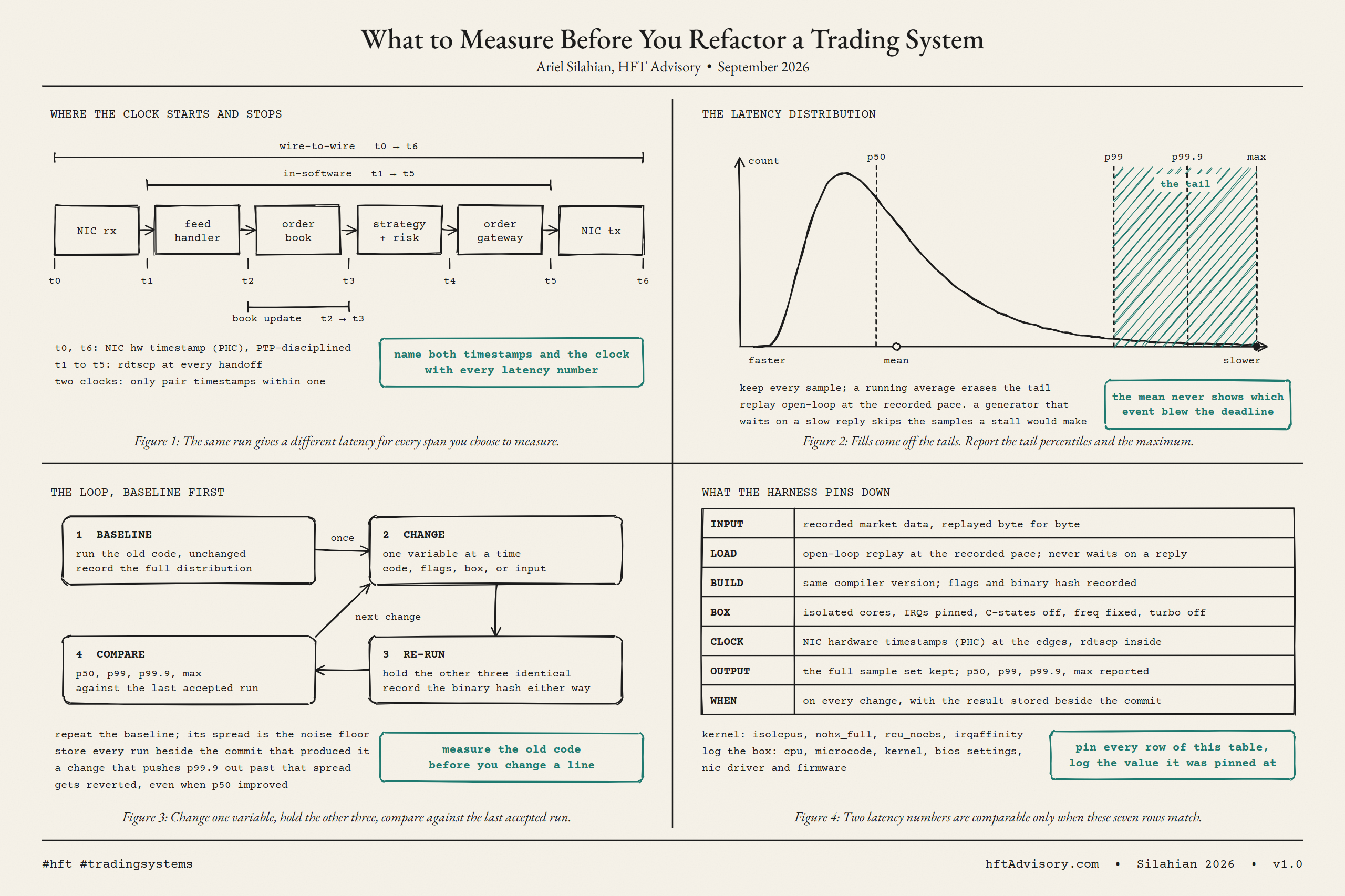
How to measure and verify trading system latency: the boundary, load condition, and percentile a real P99 latency acceptance bar needs.
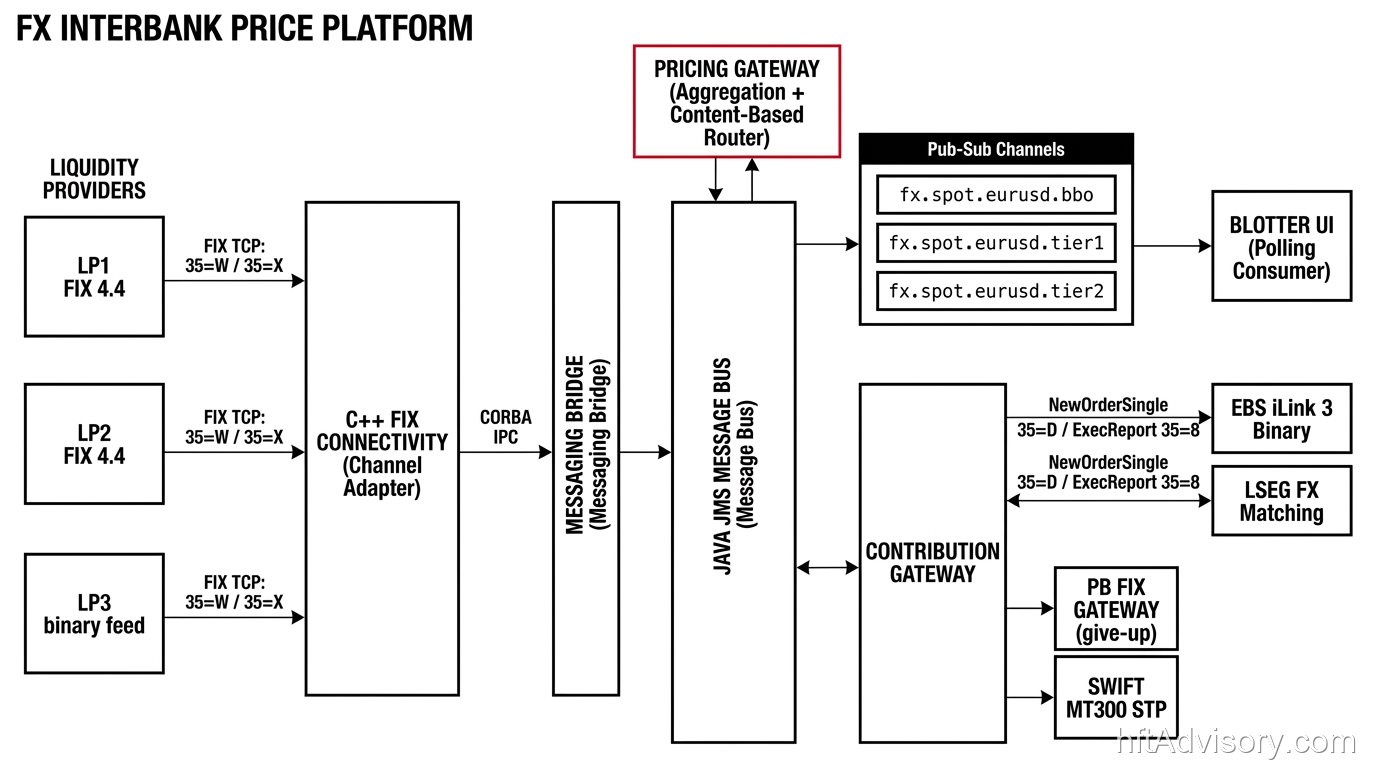
You are designing the market-data path for a trading system. Somewhere in the requirements, written down or not, is one…
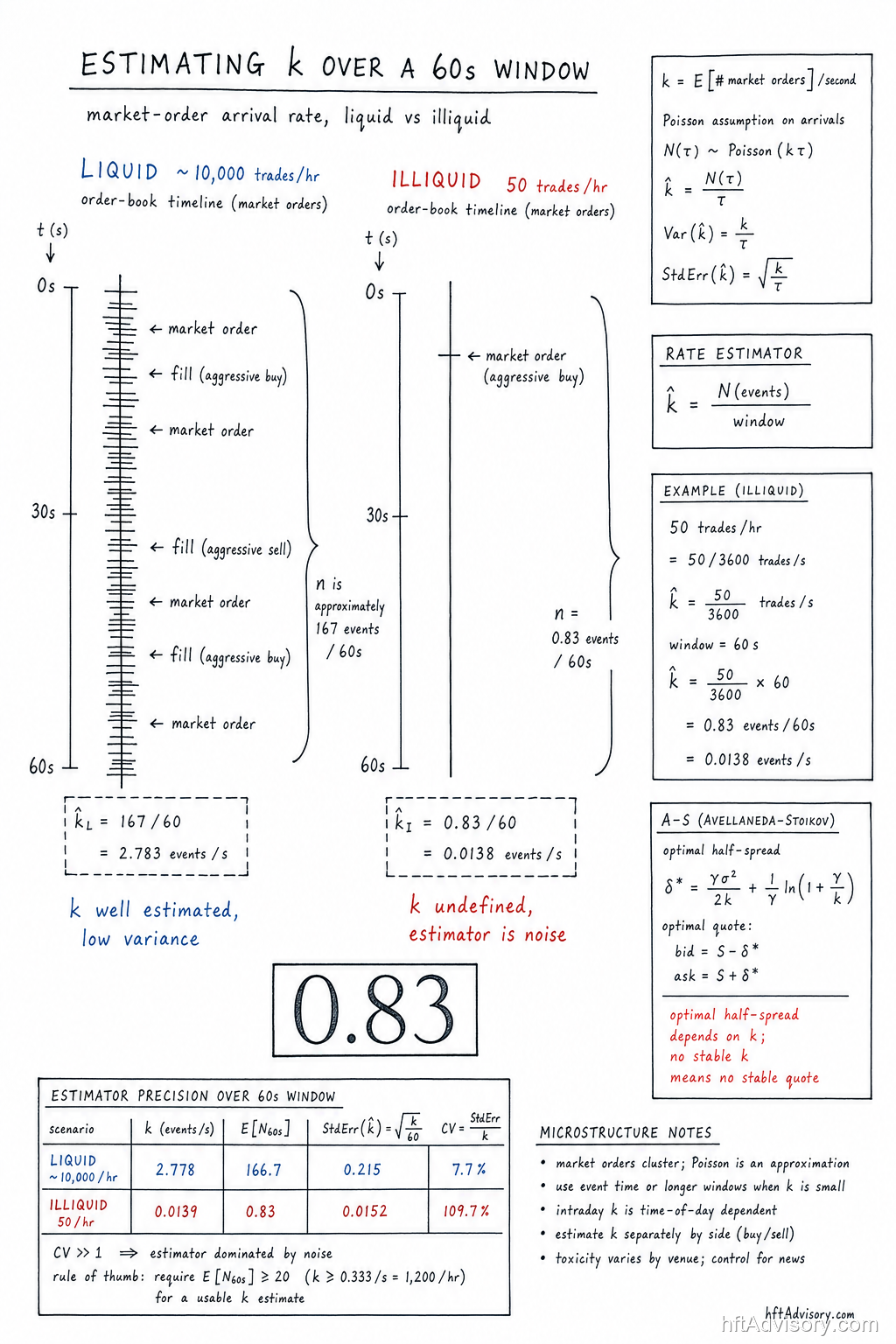
Every market-making model you can name was designed for a book that is reliably there. Avellaneda-Stoikov (2008) included. Place it…
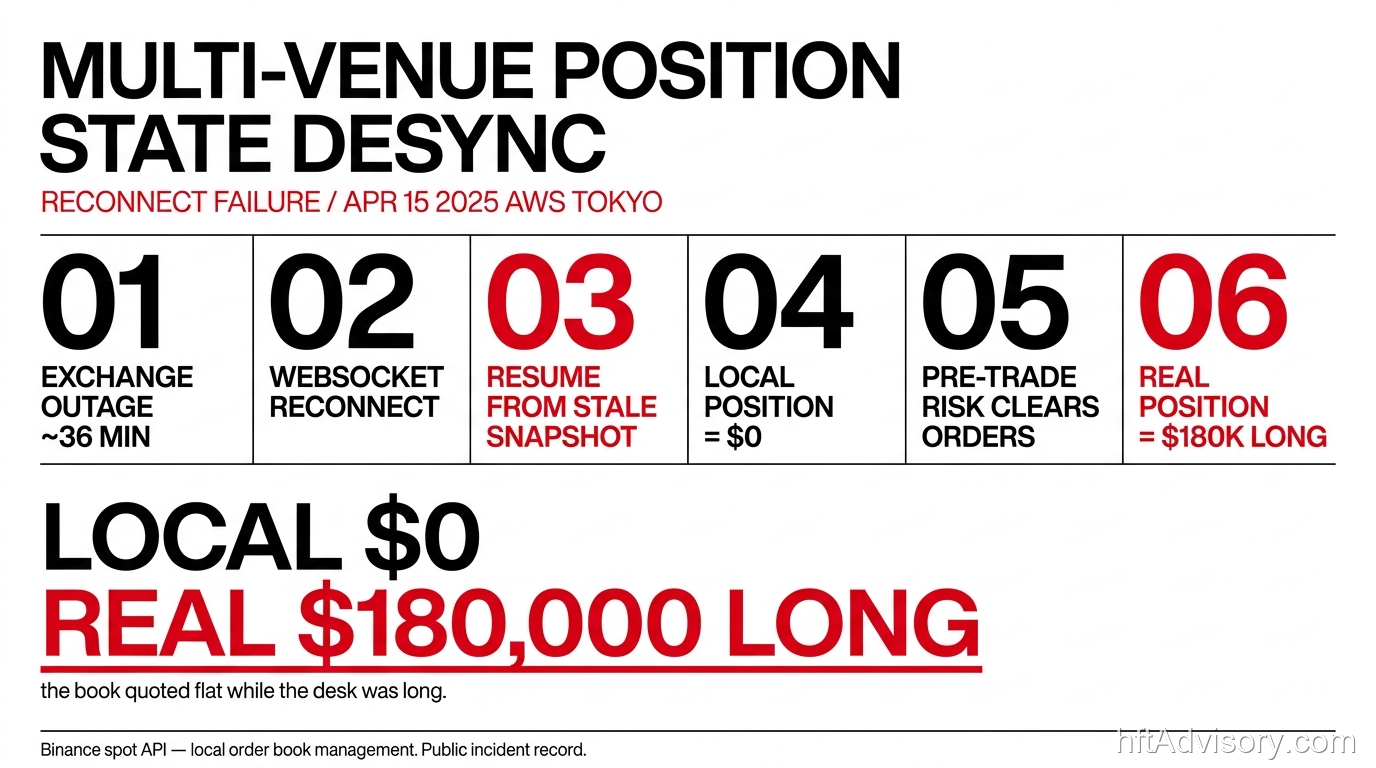
Multi-venue crypto MM desks lose capital when position state desyncs from feed state. Here is the architecture that prevents it.
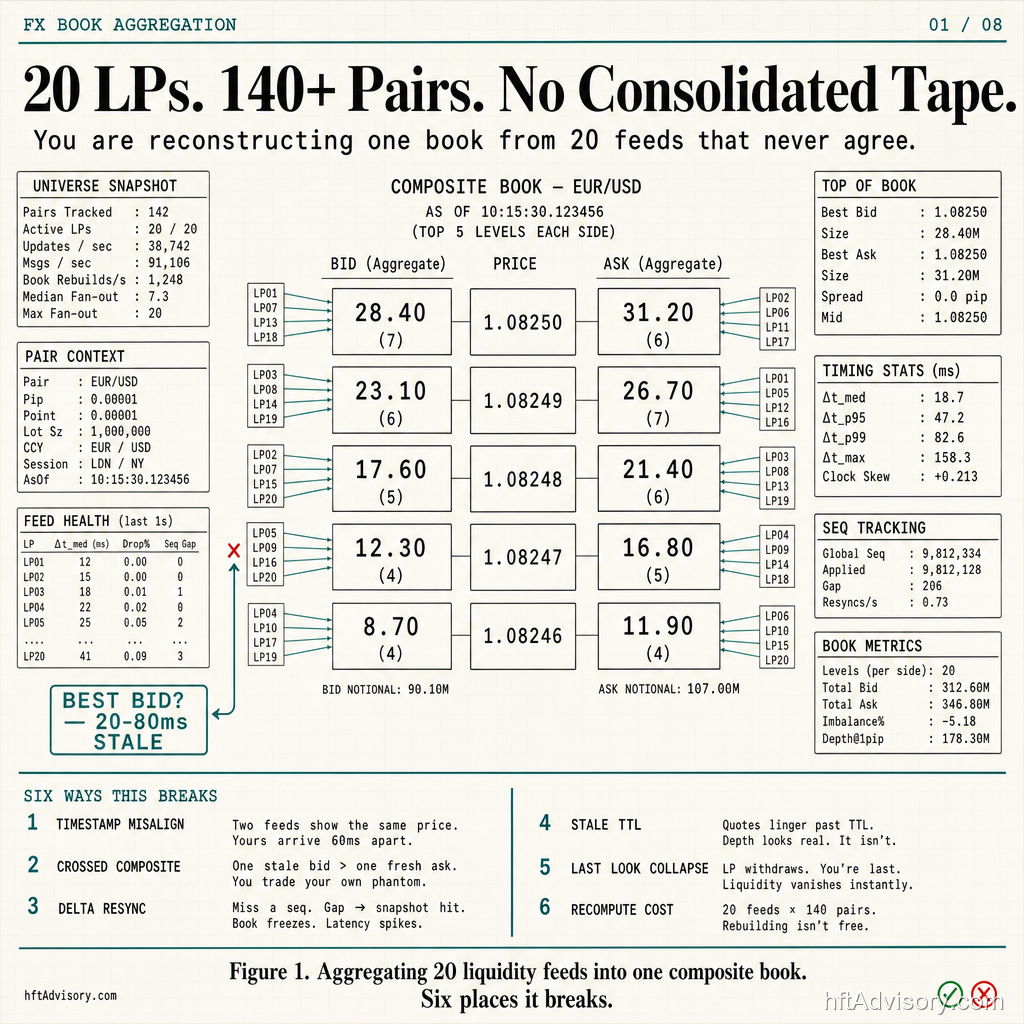
In spot FX, you are never looking at a real order book. You are reconstructing one. Global spot FX turnover…
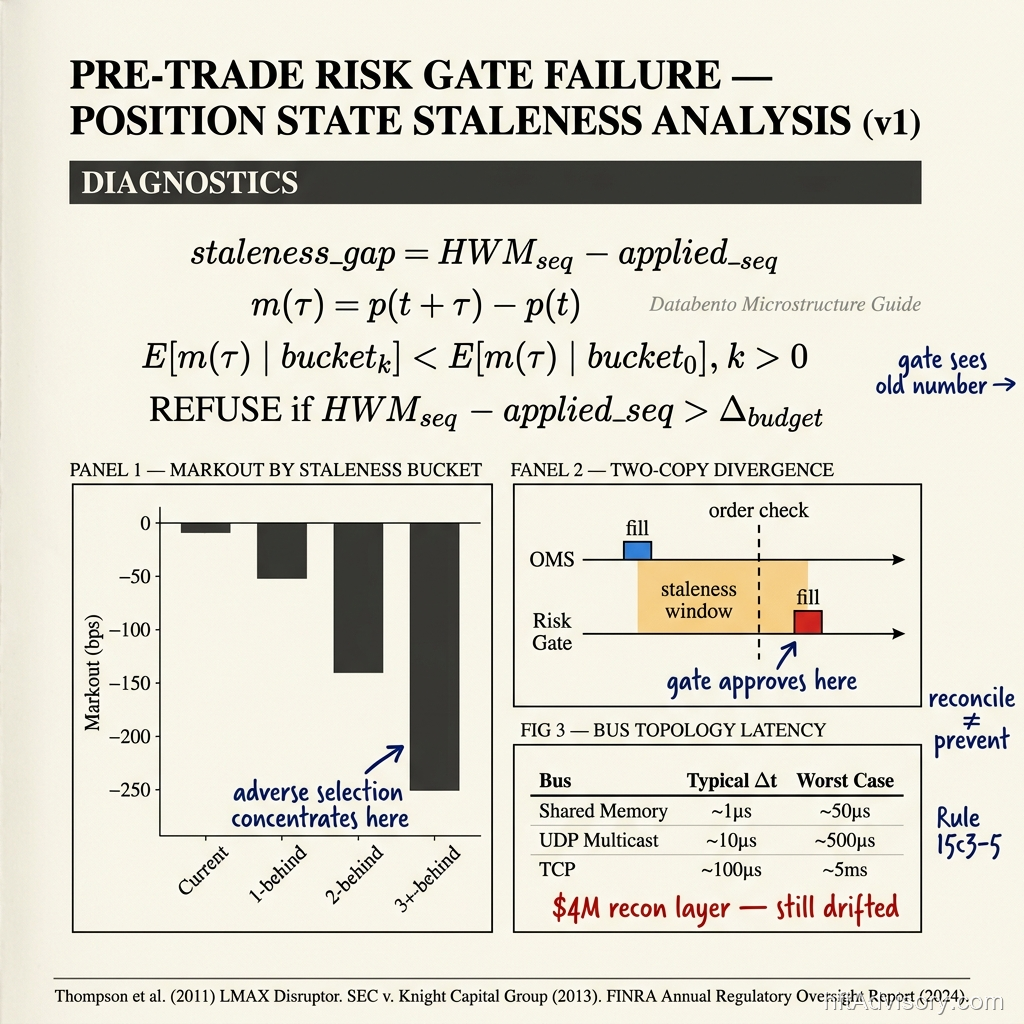
How stale position state lets a pre-trade risk gate approve orders past real limits: the mechanism, the forensics, and the sequencer fix.
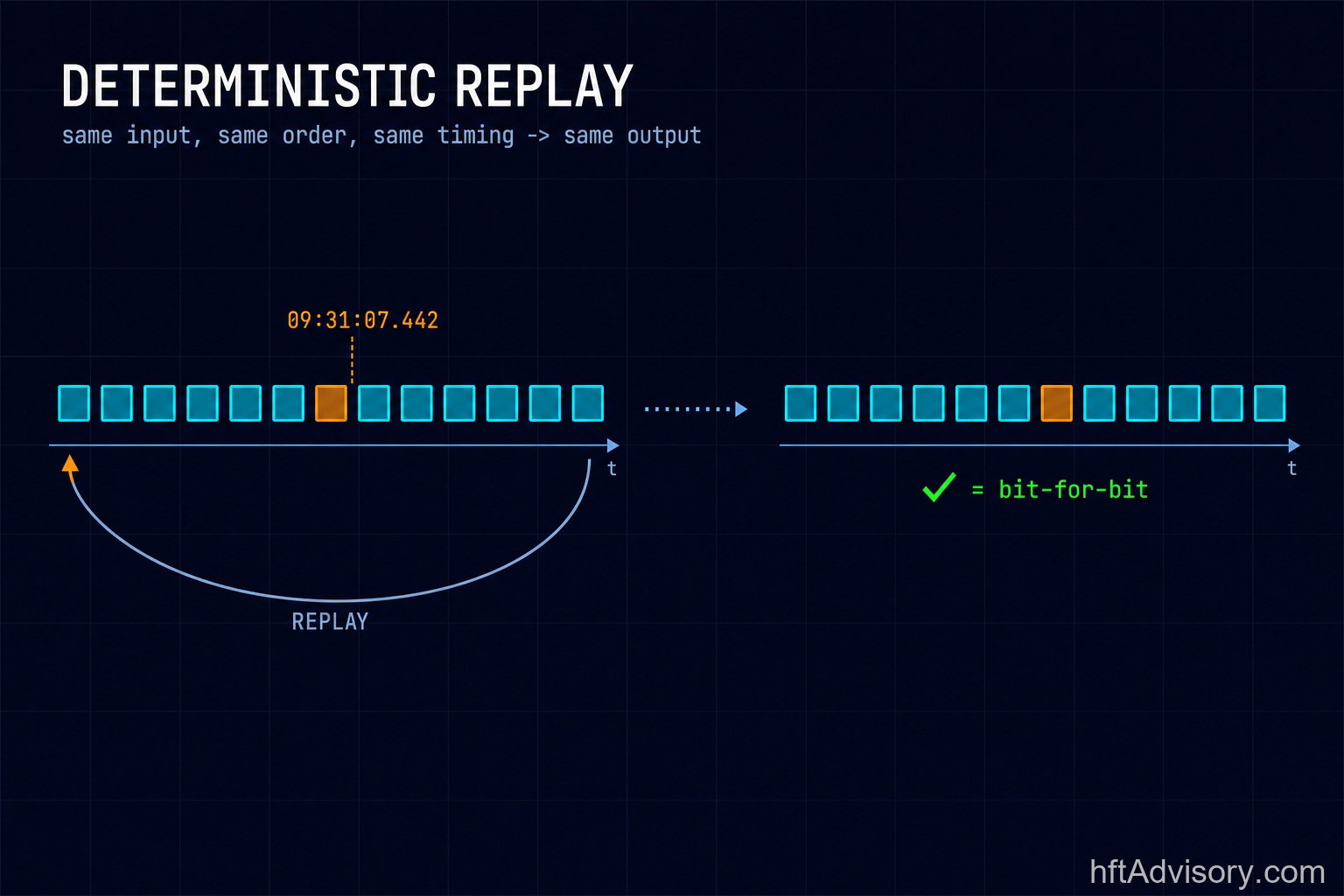
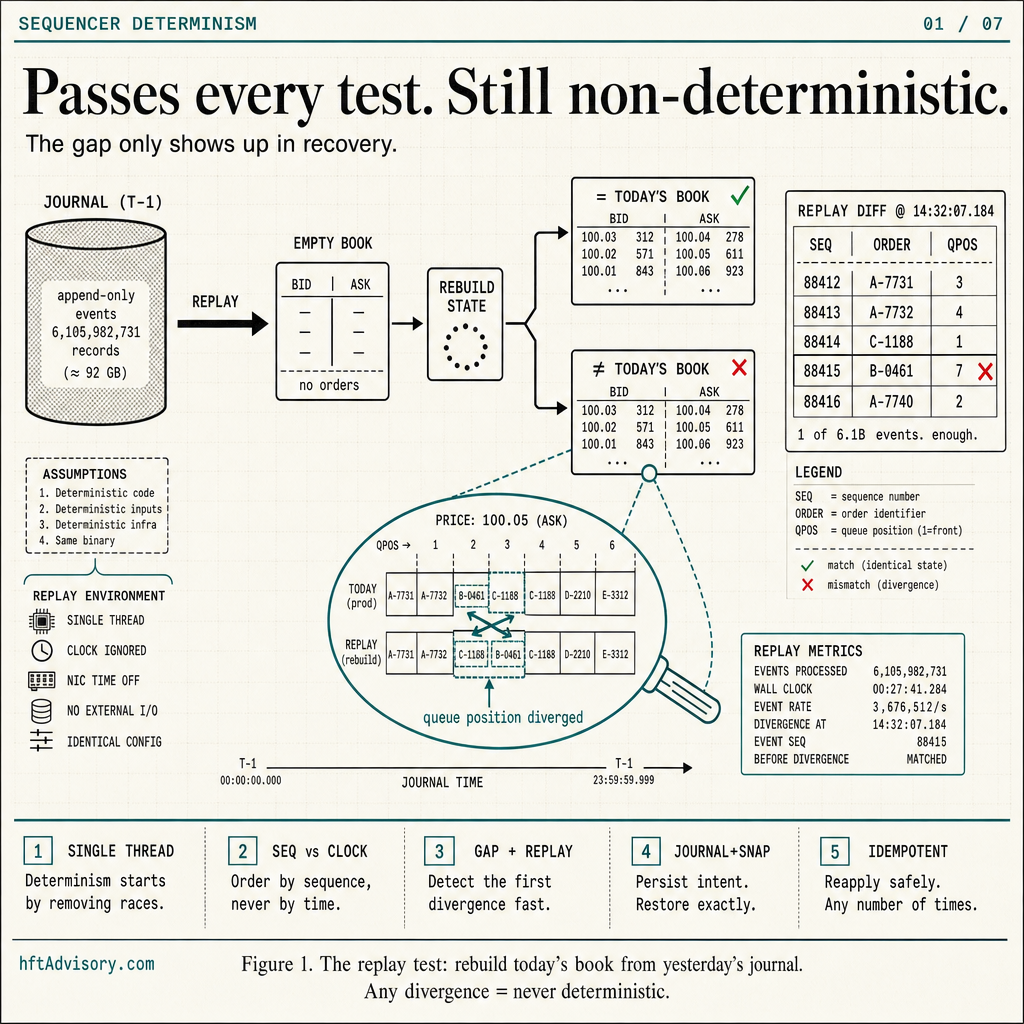
A matching engine can pass every functional test and still be non-deterministic. Five architecture decisions determine whether replay fidelity holds under recovery.
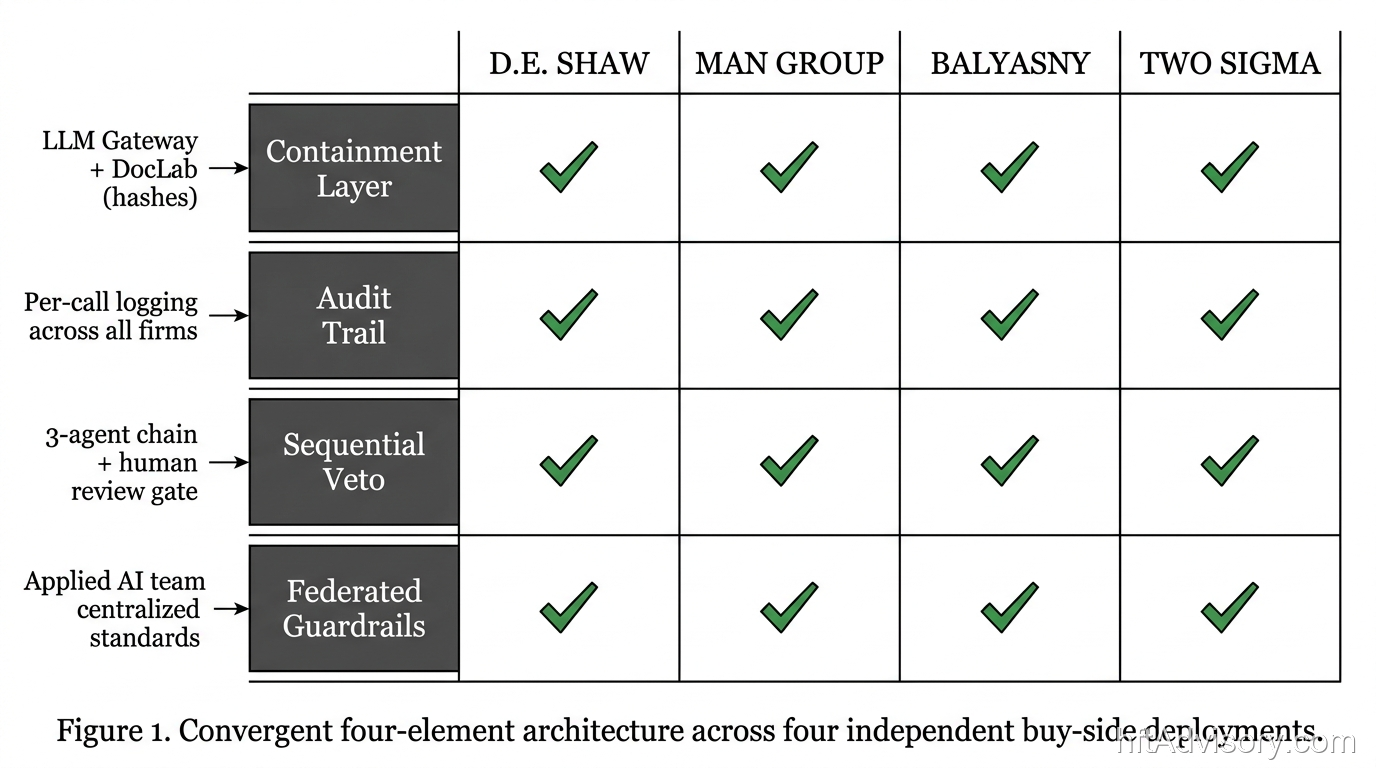
How top hedge funds deploy AI agents safely — the containment, audit, and veto architecture that D.E. Shaw, Man Group, Balyasny, and Two Sigma built.