
Trading System Architecture, Layer by Layer: What Each Layer Decides and How It Fails
A map of the nine layers of an electronic trading system, from market structure to code: what each layer decides, how it fails, and a check your team can run.
High Frequency Trading | Low Latency systems | Market Making Models | C/C++
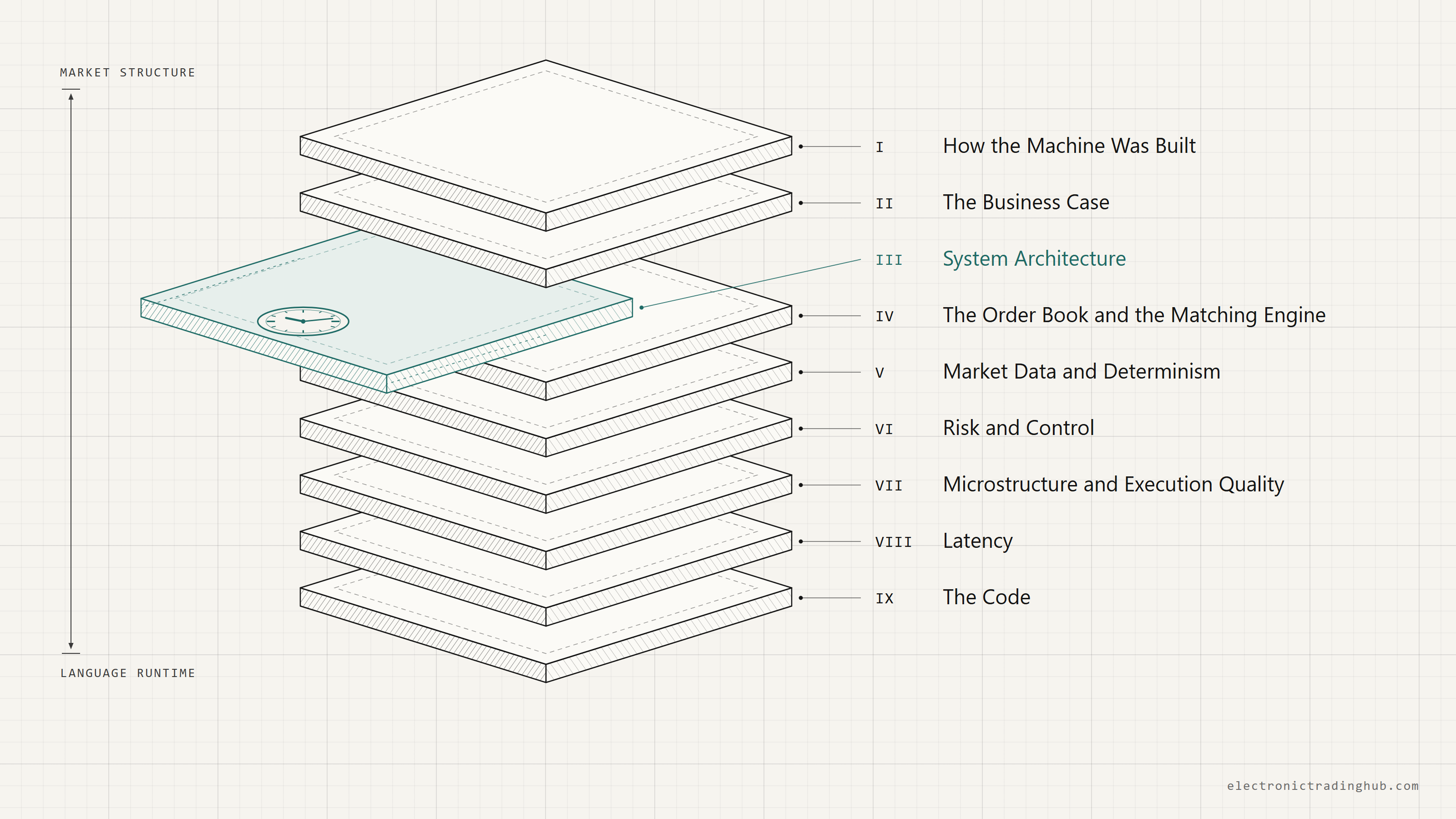
A map of the nine layers of an electronic trading system, from market structure to code: what each layer decides, how it fails, and a check your team can run.
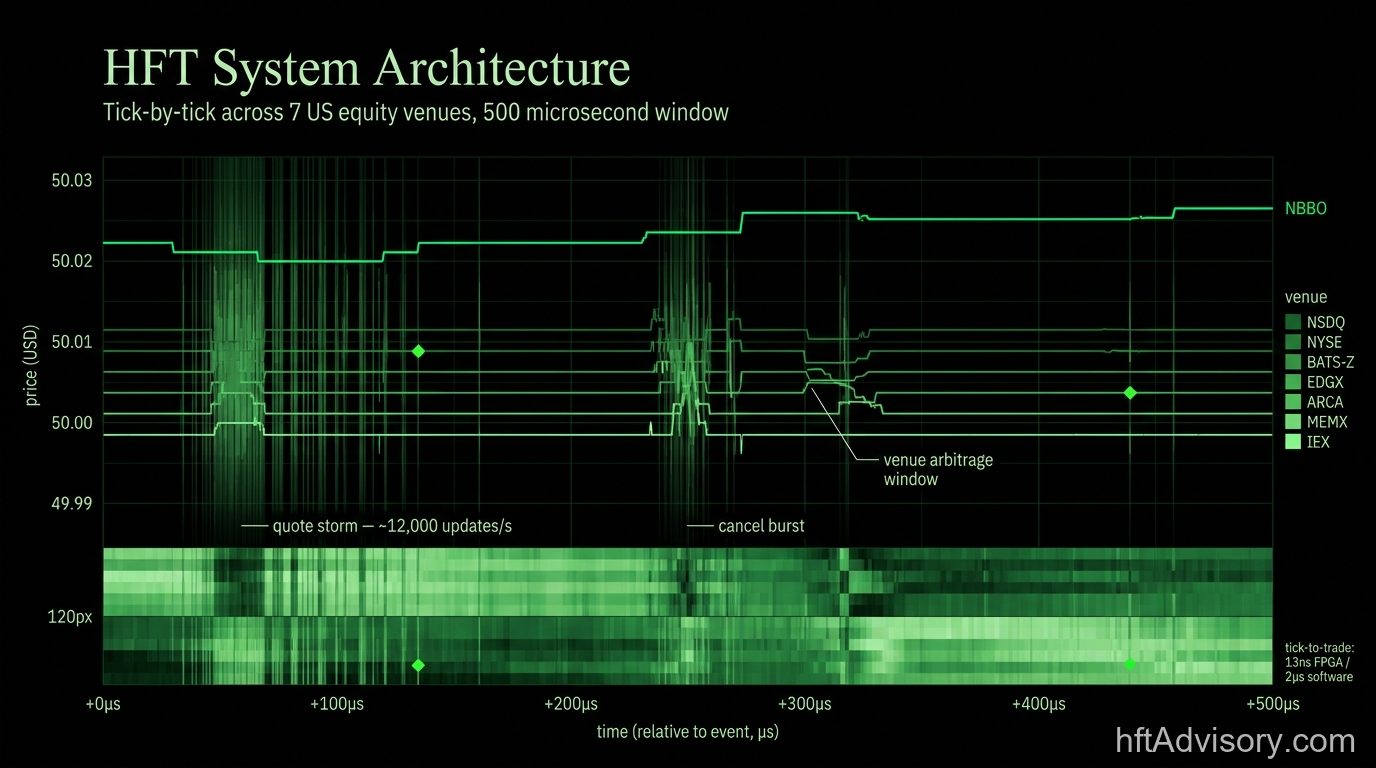
A 2026 update to the original Part I guide on HFT system architecture: data feed handler, FIX/SBE protocols, limit order book, pre-allocation, and what has changed since 2017.
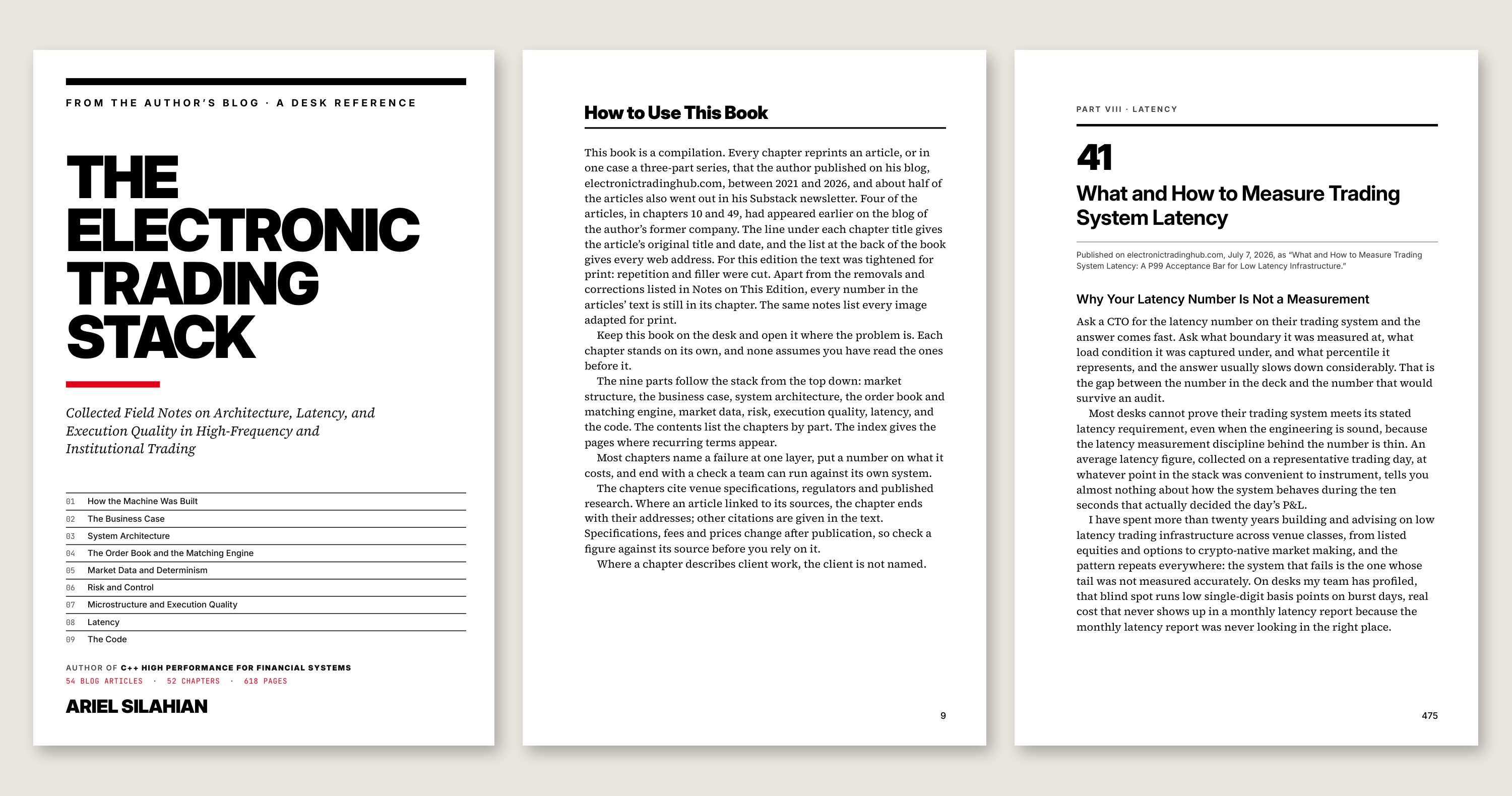
The Electronic Trading Stack collects 54 of my articles on electronic trading systems, 2021 to 2026, into one indexed, printed reference.
CppCon 2026 ran from 12 to 18 September in Aurora, Colorado. Roughly 150 sessions were on the programme. This report…
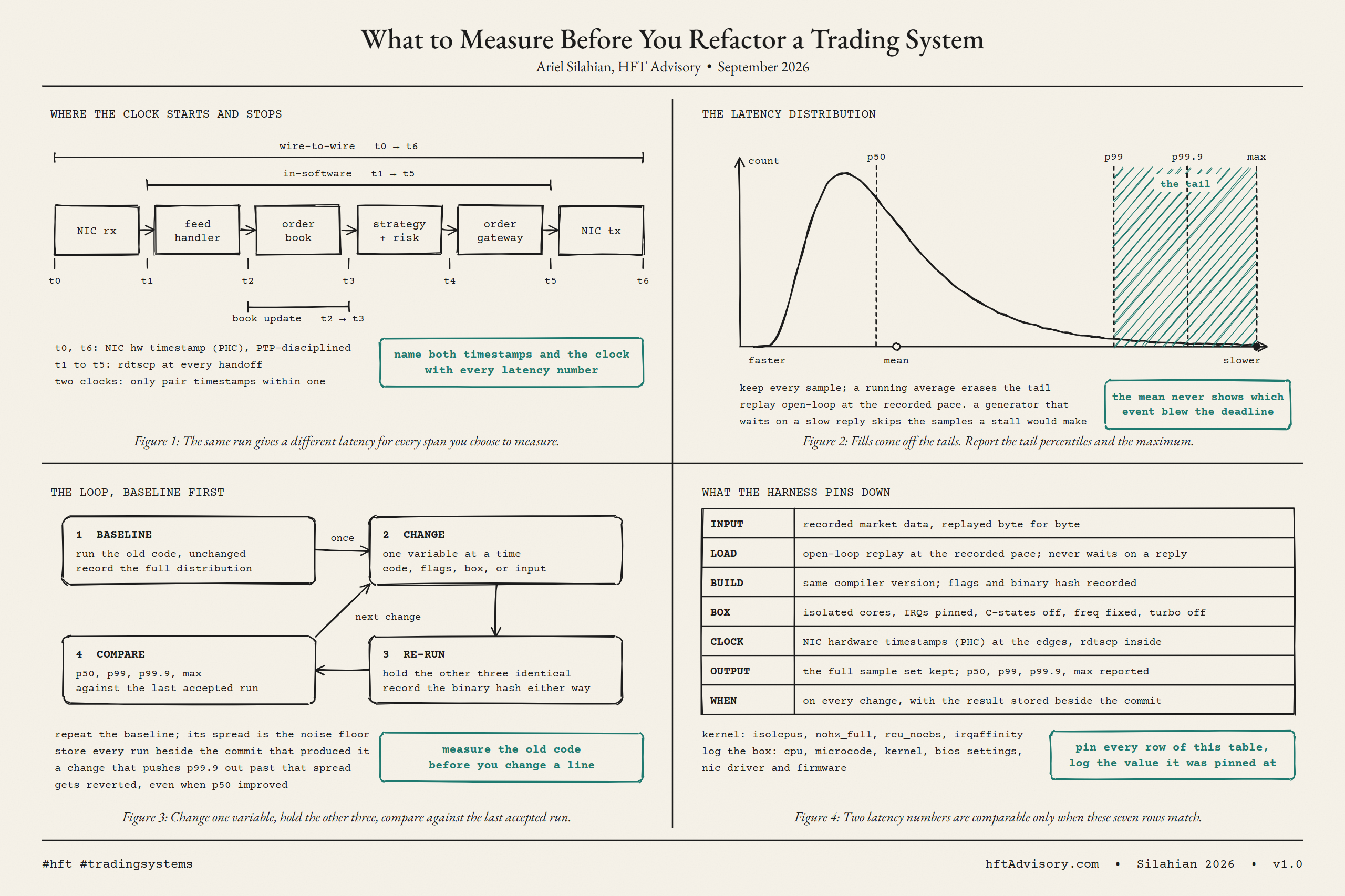
Why a benchmark harness comes before a low-latency C++ refactor: coordinated omission, unstable clocks, and the seven rows that make two latency numbers comparable.
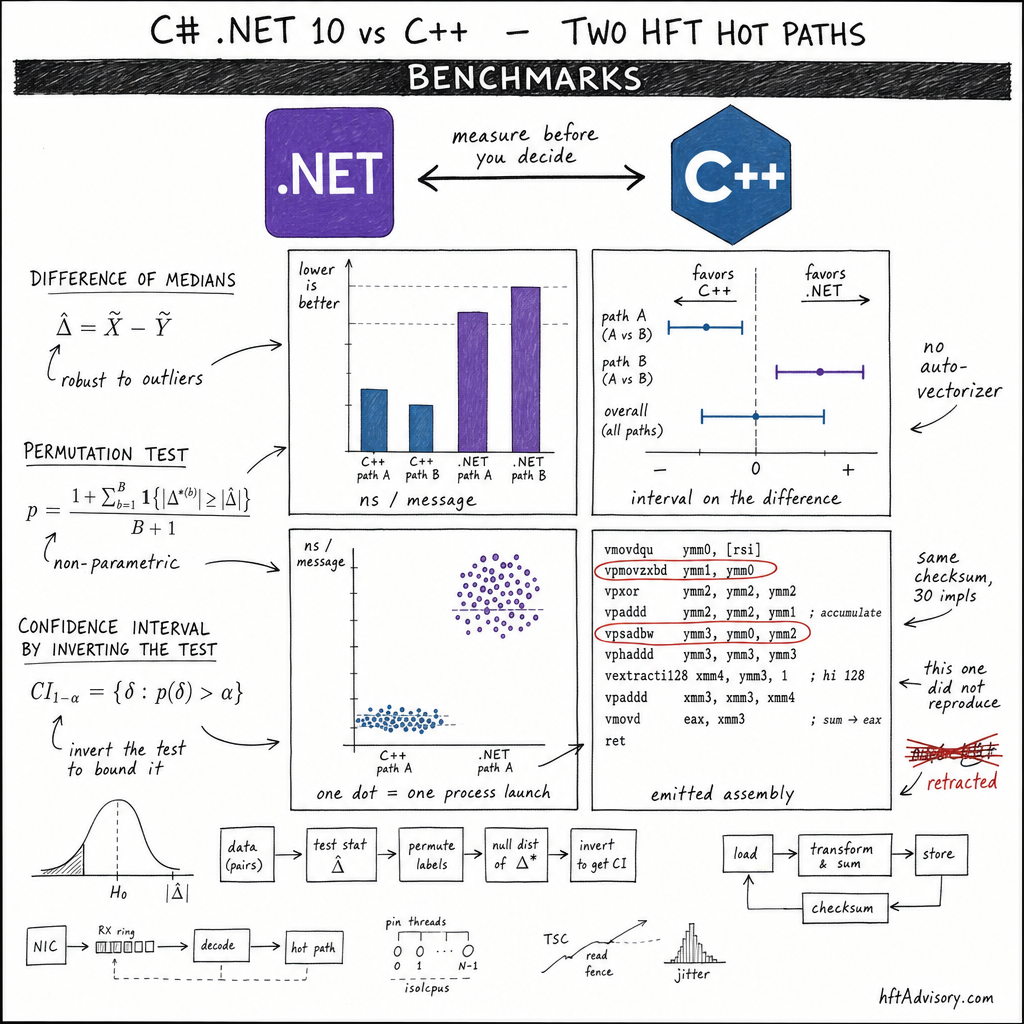
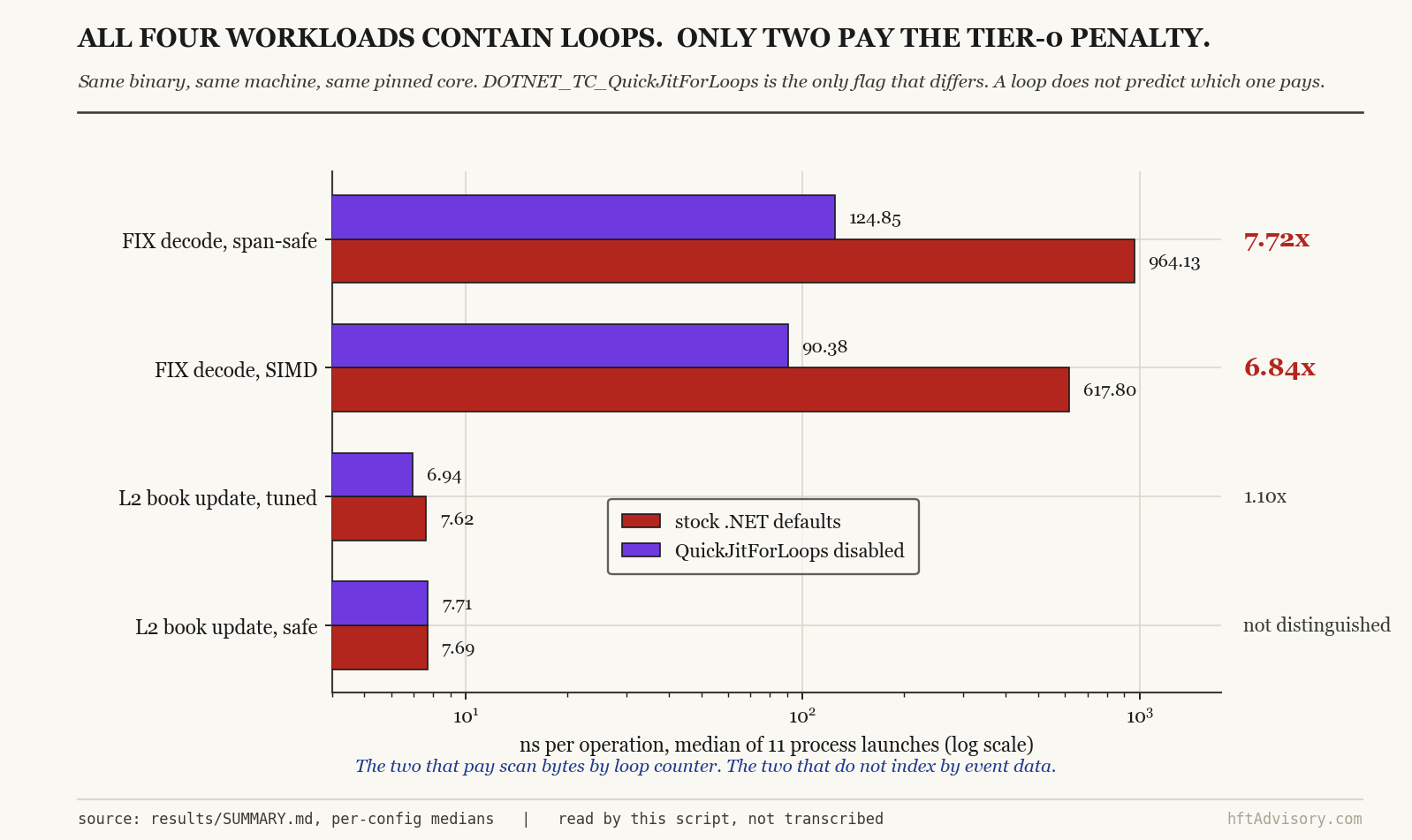
While benchmarking C# against C++ for a FIX decoder and an order book, one configuration default cost more than the…
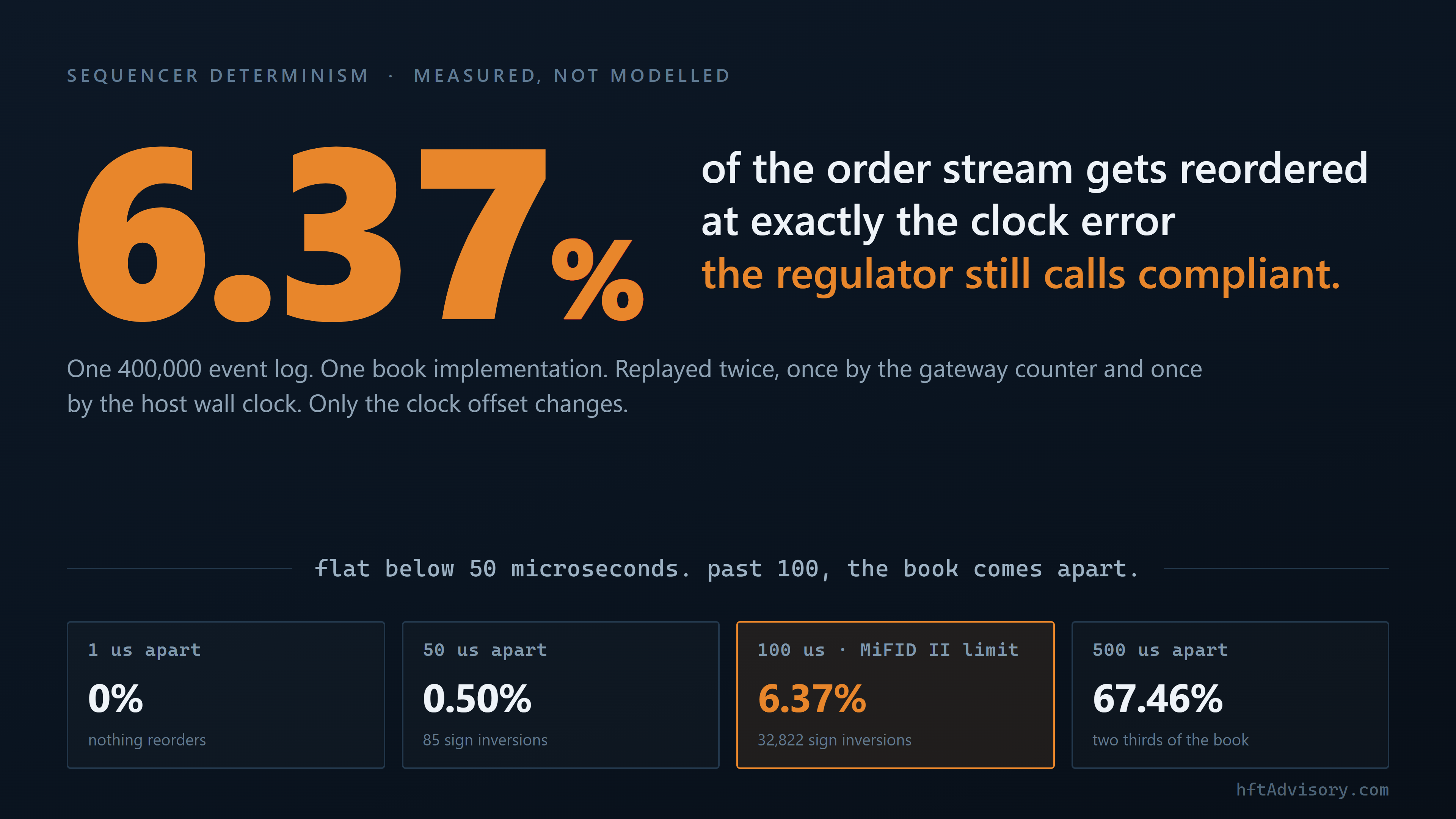
Two NTP-synced clocks on the same rack can drift 50 microseconds apart. If the next two events in your order…
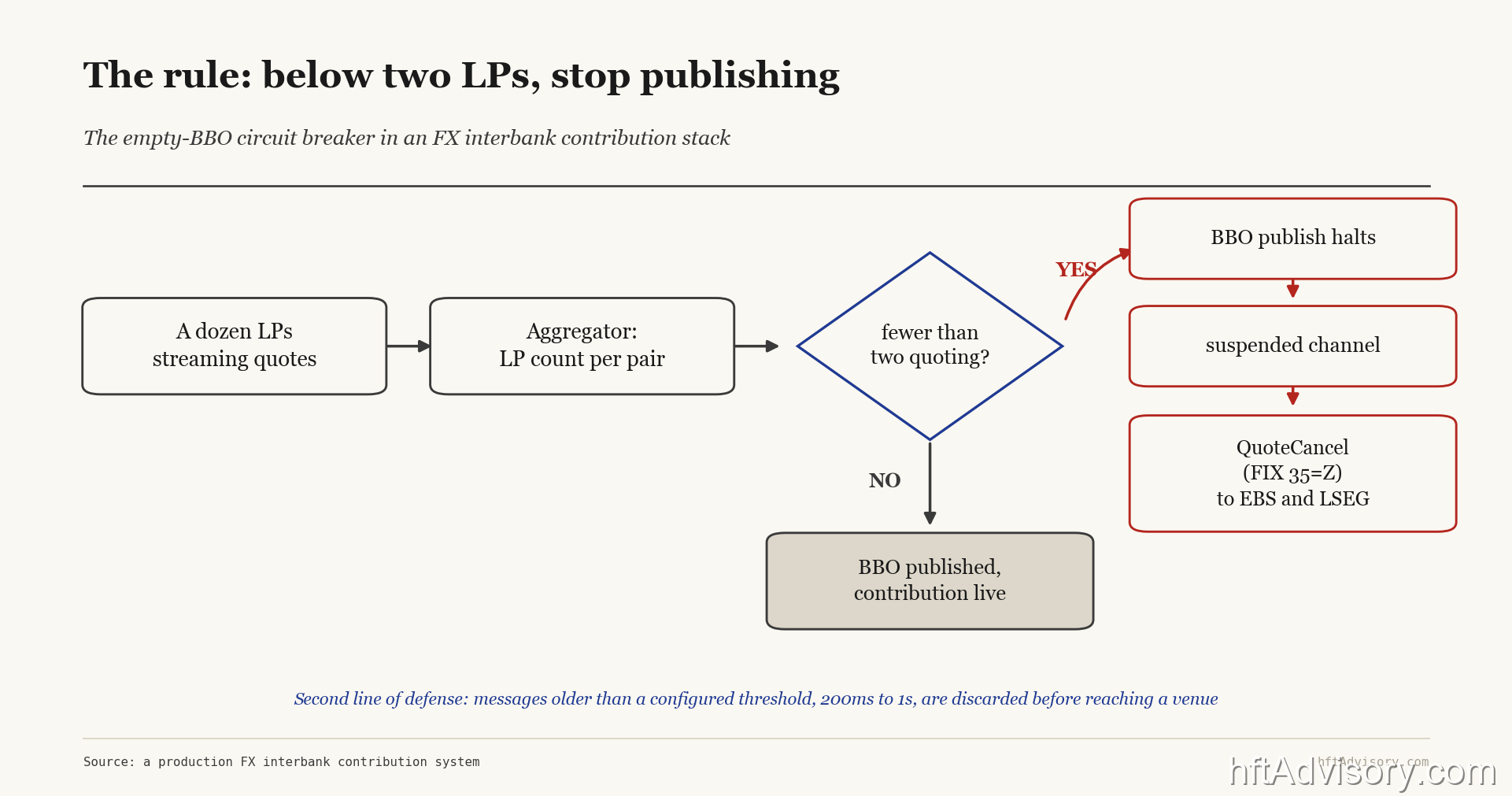
Inside a sell-side FX desk circuit breaker: why a one-LP book is a risk management liability, and what SNB 2015 still teaches CTOs today.
A client asked me to architect an institutional crypto trading system on .NET. Twenty years of building order books in…
In April, I opened the cancel stream as an alpha input. The Cancel-Stream Gap argued that a signal stack built…
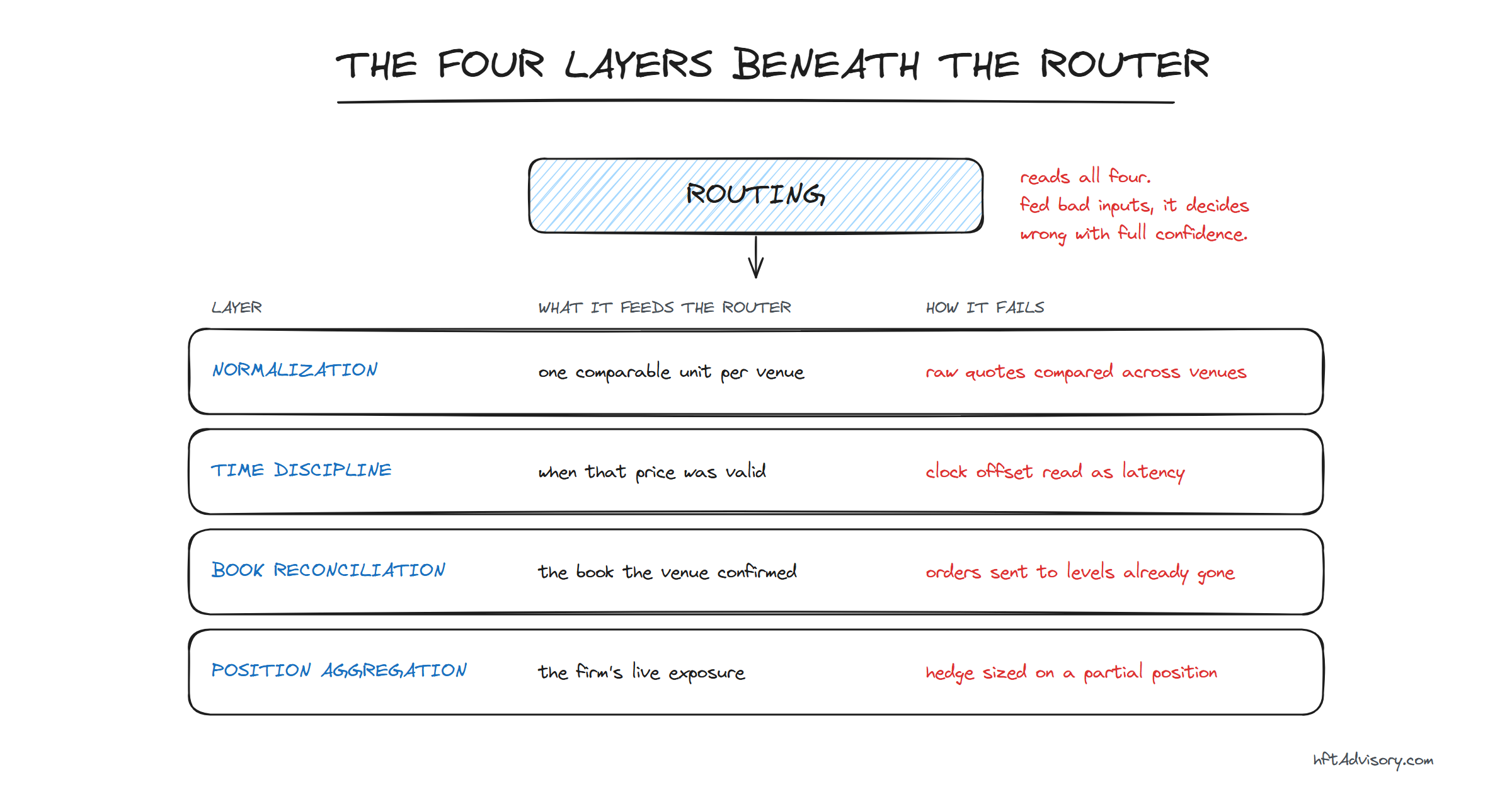
A fill lands on venue A. The strategy’s risk logic reads it, computes exposure, and fires a hedge. Milliseconds later,…