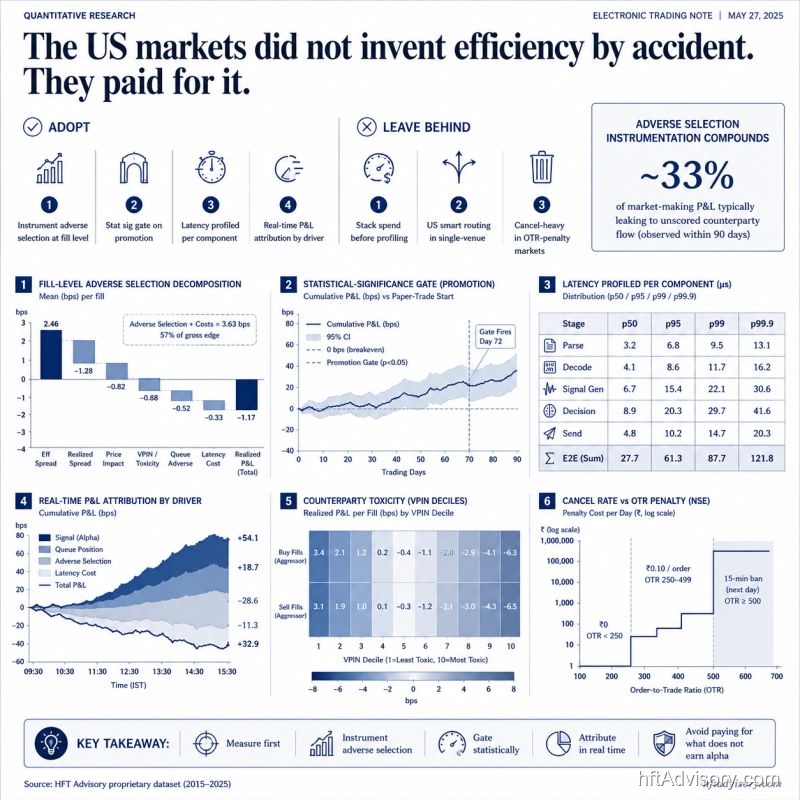
What Growing Electronic Trading Markets Should Adopt From US HFT — And What To Leave Behind
20 years US HFT distilled: what NSE, B3, and DFM practitioners should adopt, and what US-built patterns will cost you in growing markets.
High Frequency Trading | Low Latency systems | Market Making Models | C/C++
20 years US HFT distilled: what NSE, B3, and DFM practitioners should adopt, and what US-built patterns will cost you in growing markets.
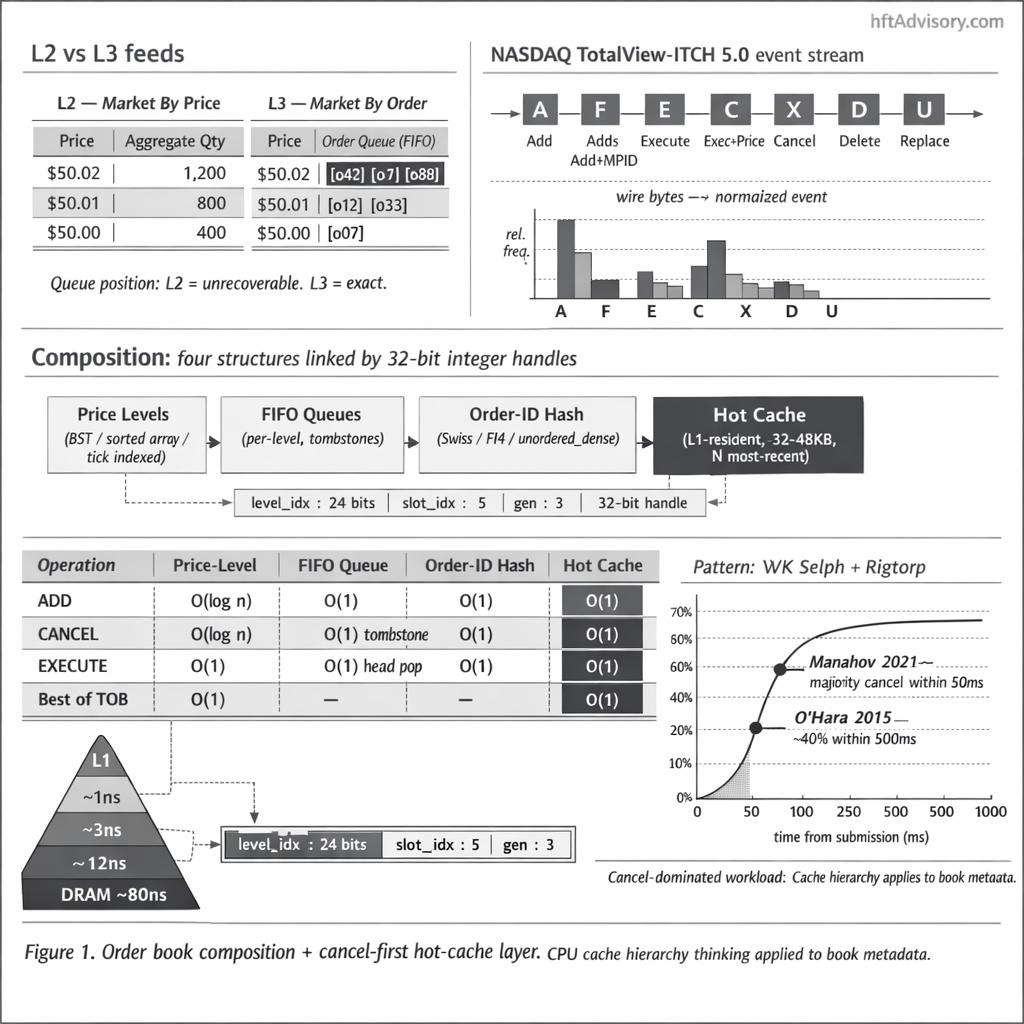
Why cancel-dominated workloads break most order books, and how L1D hot-cache design and per-order MBO data fix queue-position blindness across FIFO venues.
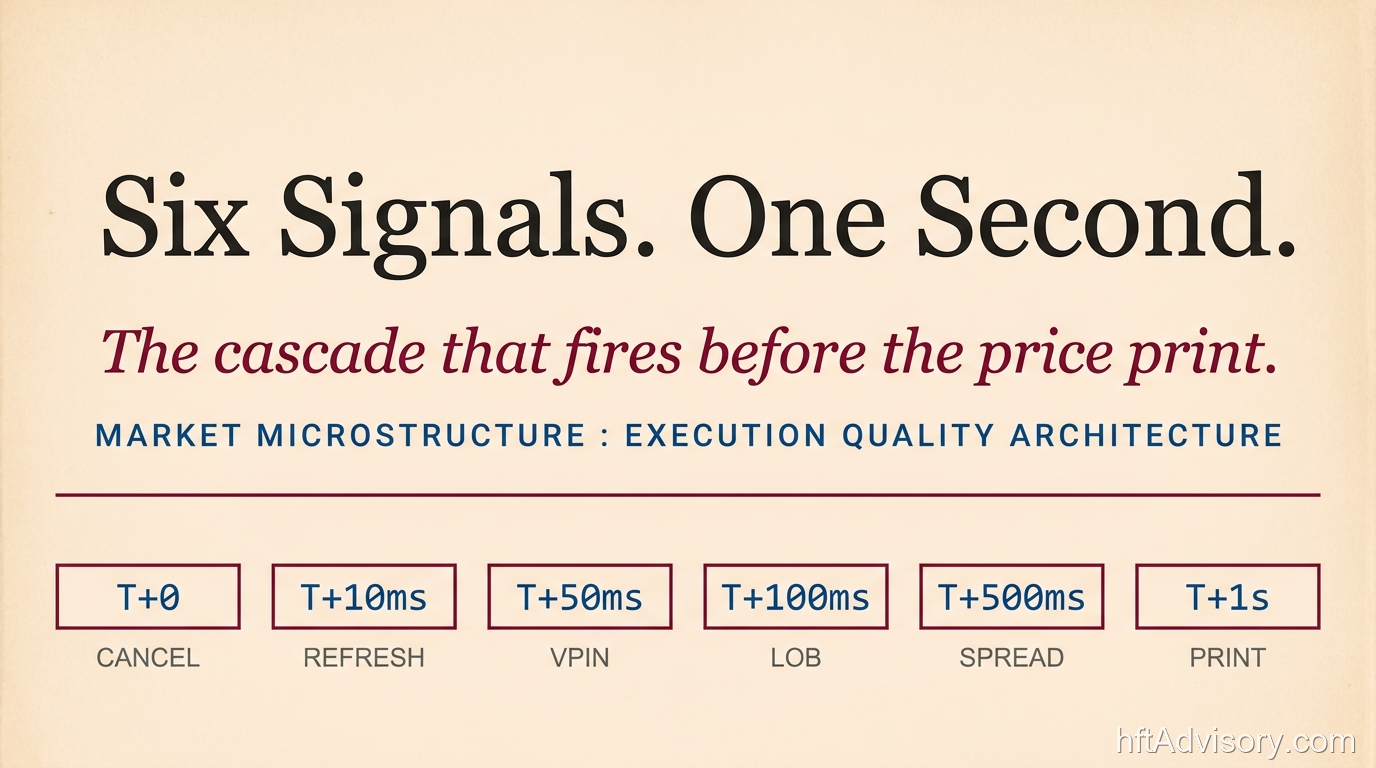
The Gap Between When the Move Begins and When It Shows Up on Your Report Every execution quality report I…
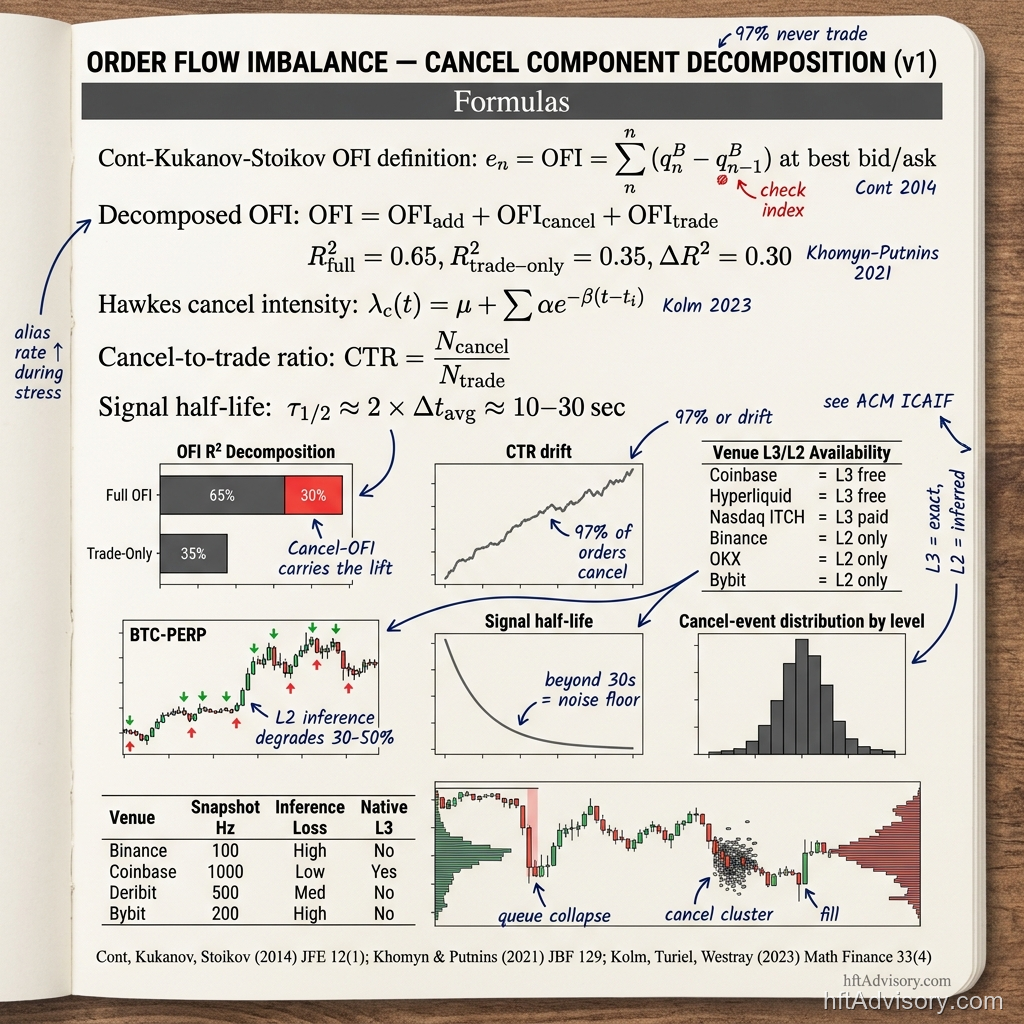
Trade-only OFI explains ~35% of short-horizon price changes. Add cancel events and you reach 65%. The gap is architectural, not mathematical.
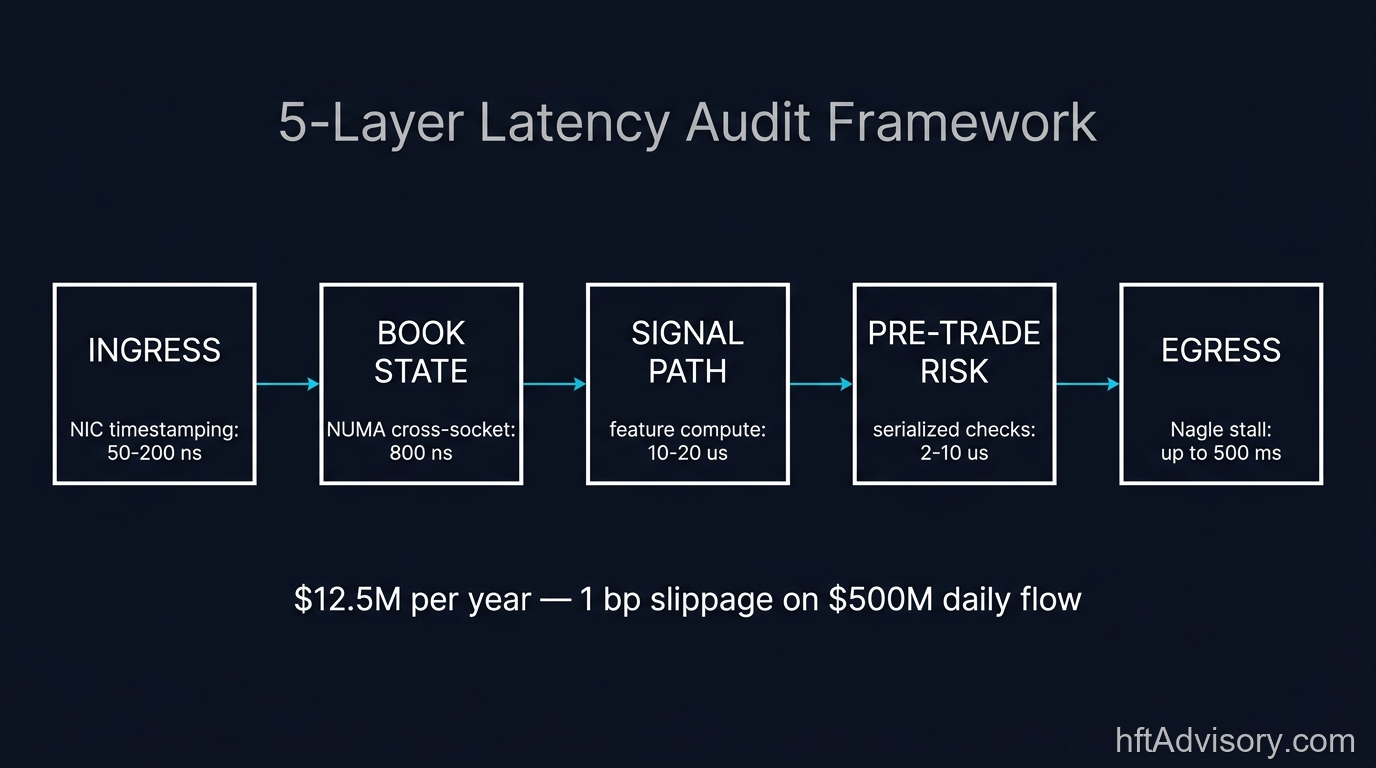
A 5-layer latency audit for HFT and electronic trading stacks. Diagnose where execution budget leaks before it costs $12.5M/year.
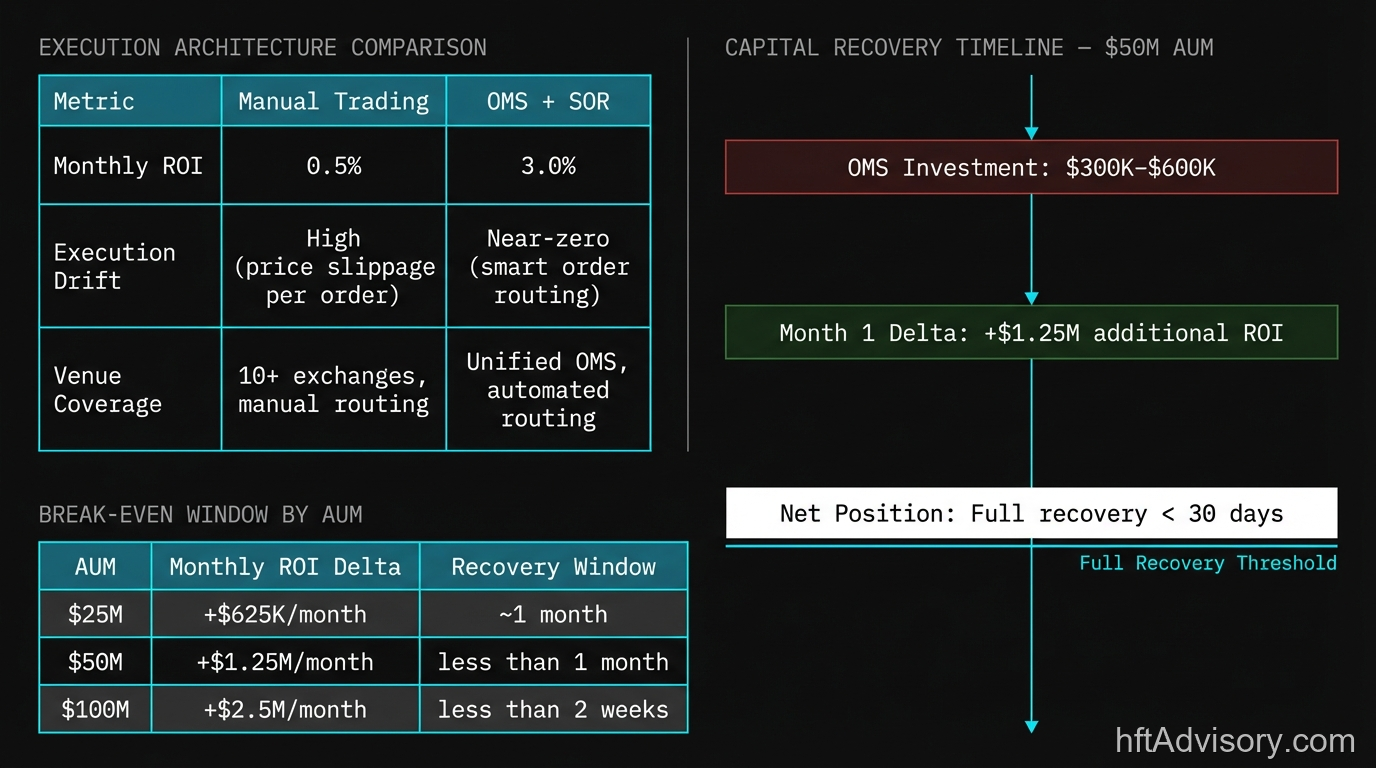
$600K in OMS infrastructure. On a $50M AUM crypto fund, a team-deployed custom system recovered that investment in under two…
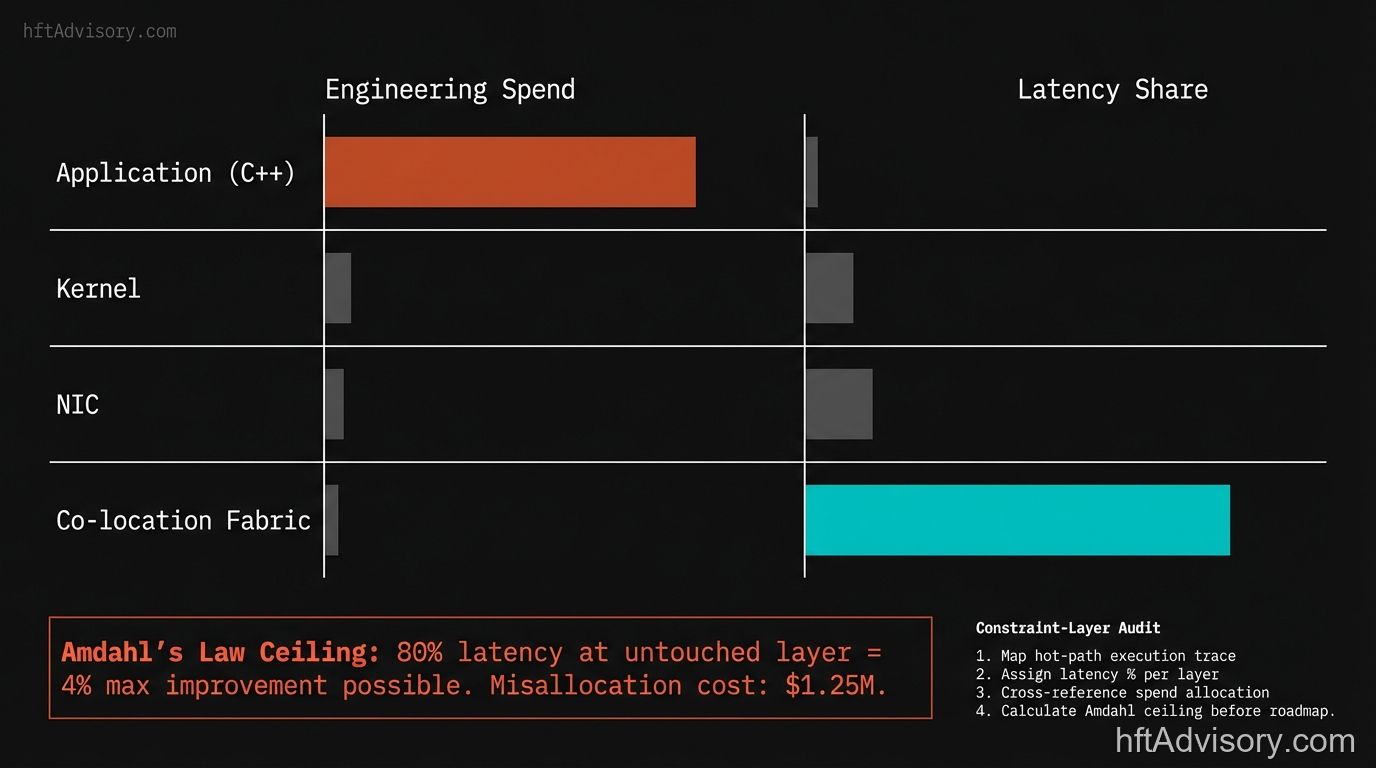
Most HFT latency programs fail before the first sprint ends. Learn the 4-step constraint-layer audit that prevents $1M+ in misallocated engineering spend.
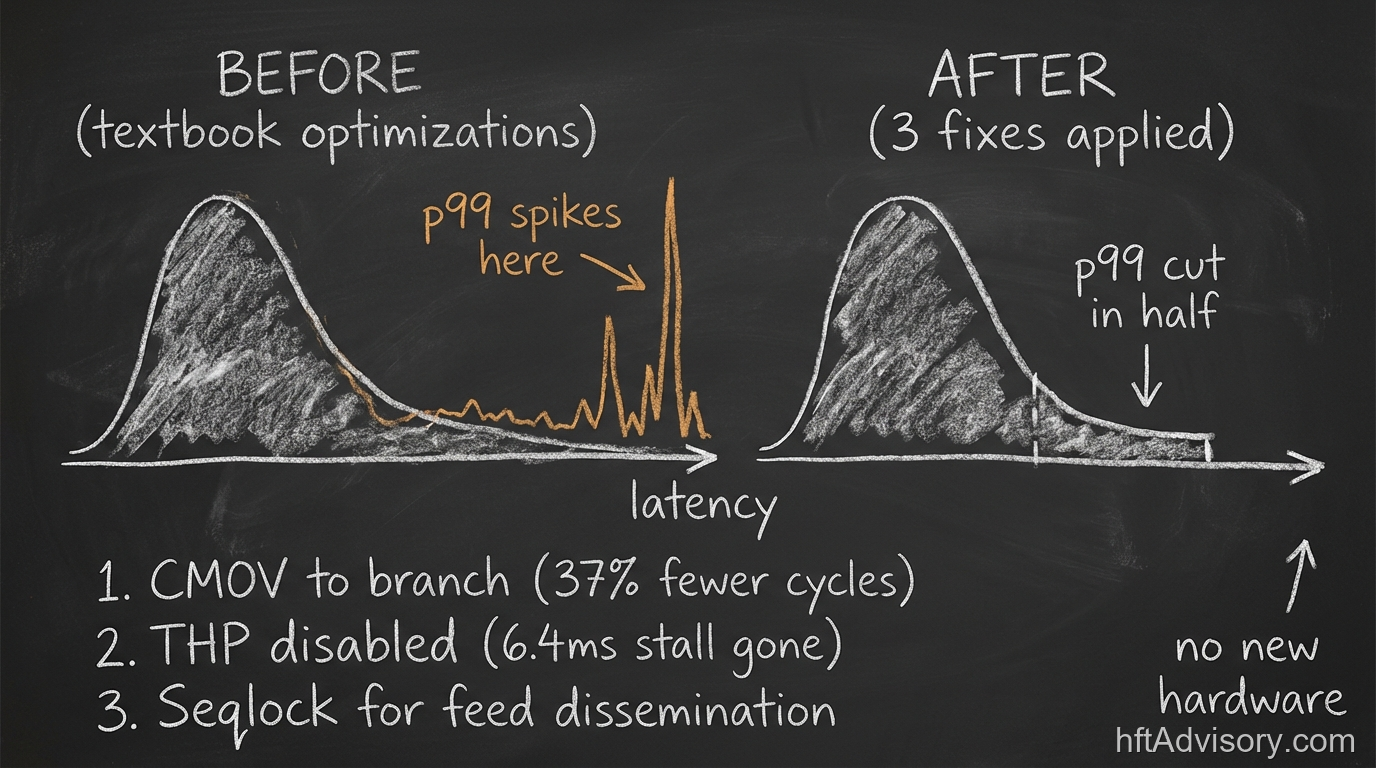
A $500M daily desk applied every C++ optimization in the textbook. Their p99 latency got 23% worse. Here is the three-root-cause post-mortem.
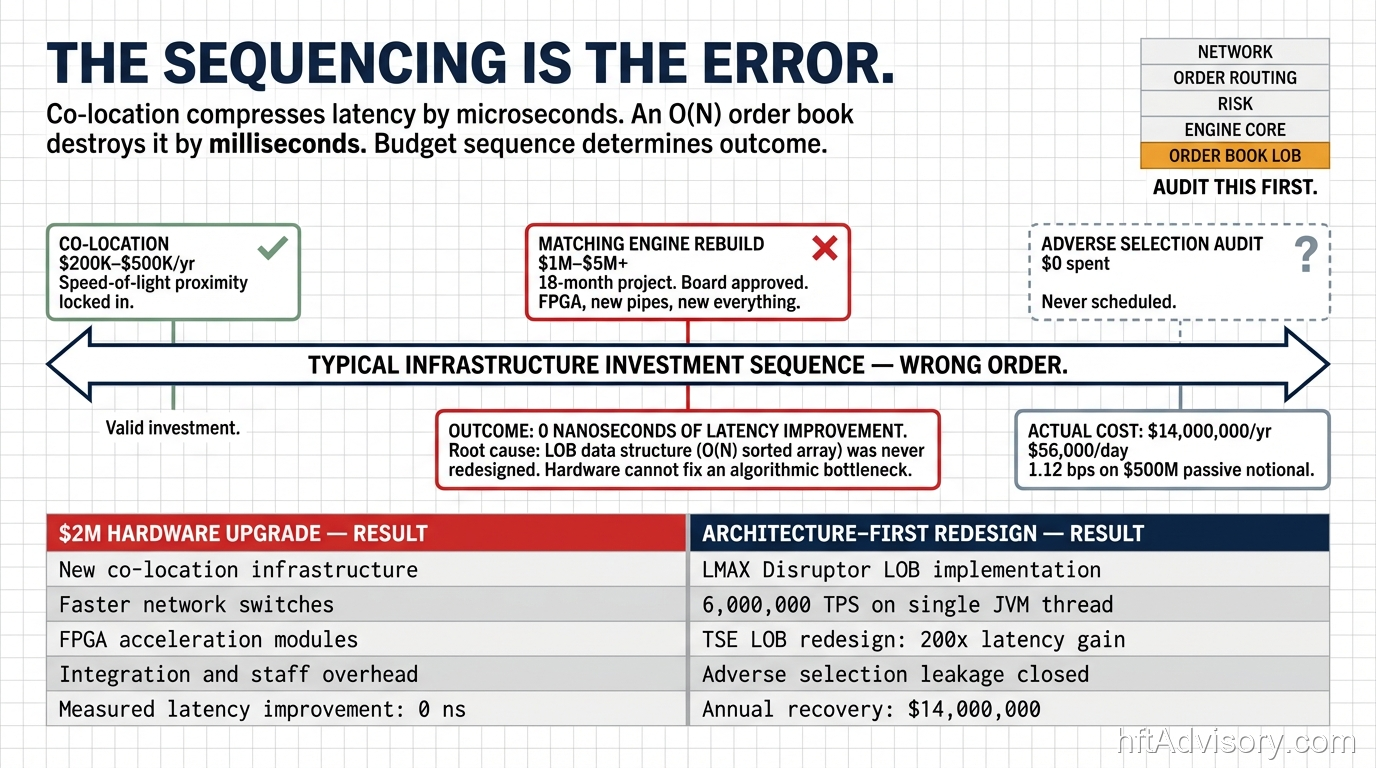
Three budget lines, one sequencing error: co-location spend, adverse selection leakage, and matching engine rebuilds that never profile the LOB layer.
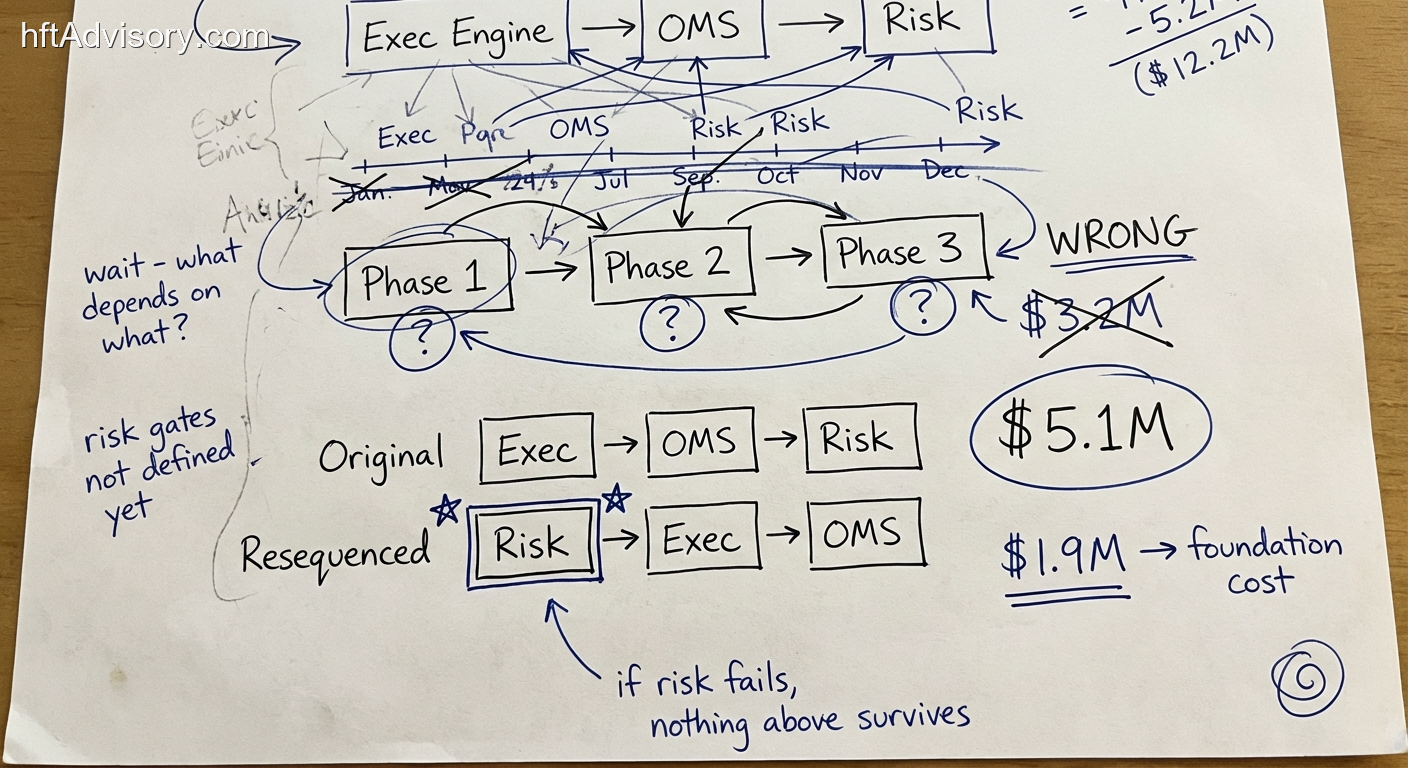
Build your execution engine before risk controls and you expose millions in unguarded capital. Here is the sequencing framework that changes the math.
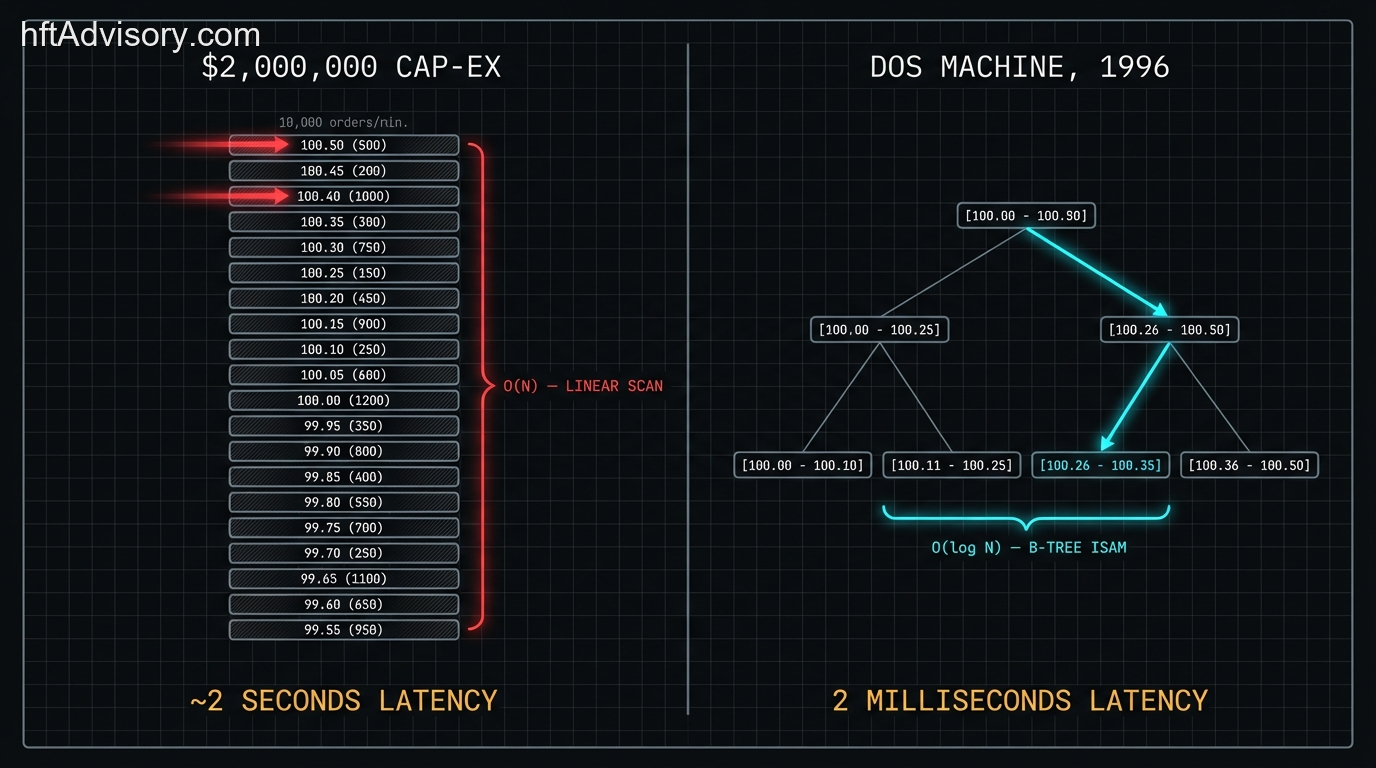
A $2M infrastructure upgrade produced no measurable latency improvement. The hardware was not the problem. A sorted array in the…
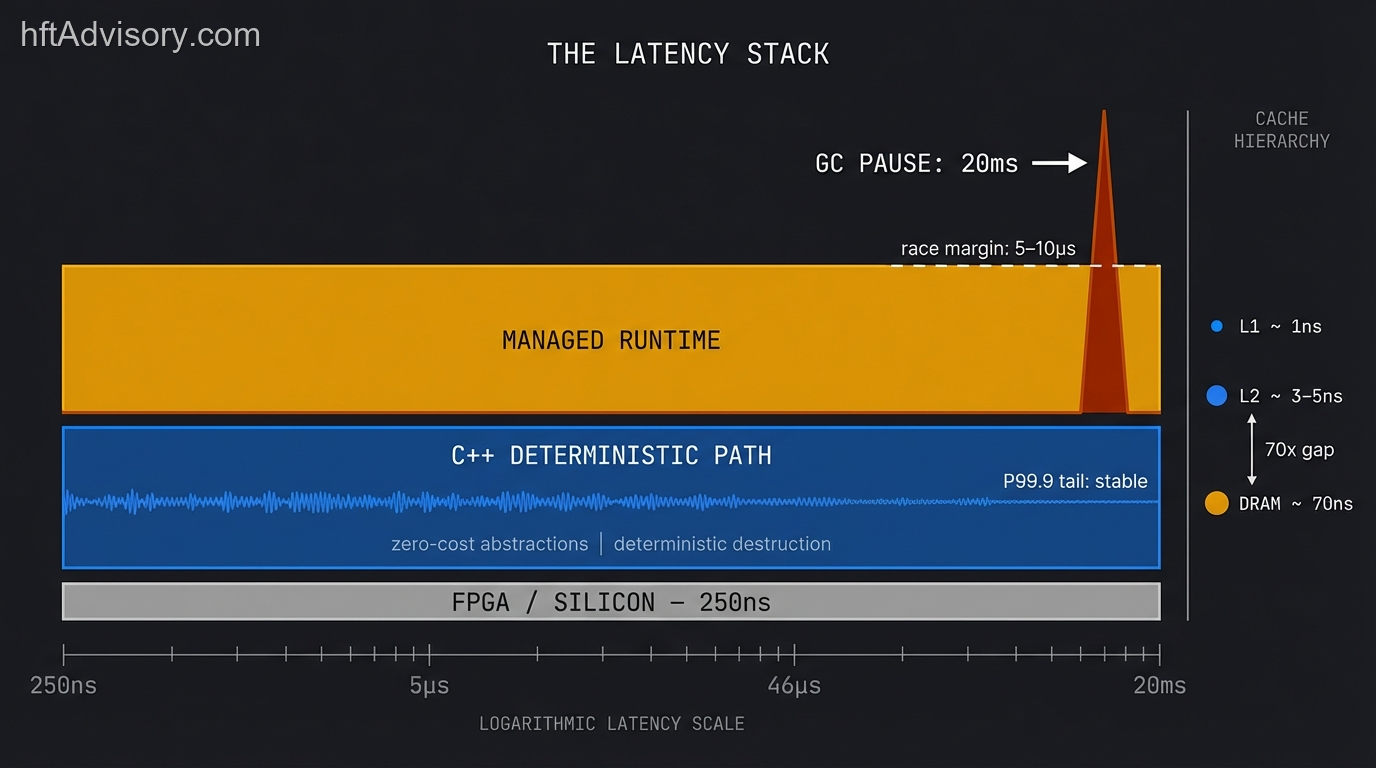
Why C++ remains the only viable language for latency-critical trading paths. 20+ years of HFT experience on determinism, cache control, and tail latency.