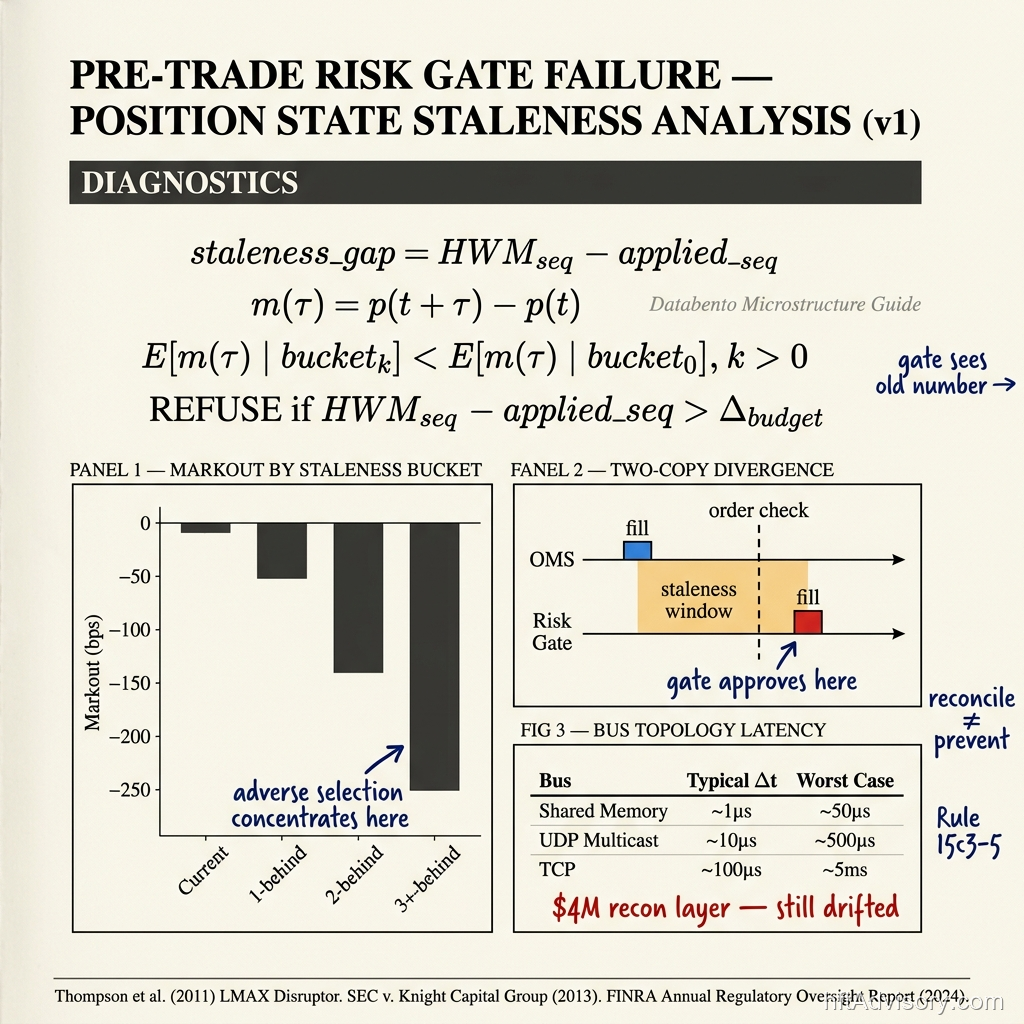

- Low latency networks: location, location, location…. Or Colocation! This is key to creating an HFT business… without it, you will be another retail investor.
- Low Latency systems: usually written in Java or C++. Personally, because of my background, I prefer C++. There have been non-sense discussions on what is better C++ or Java? For me, it’s all about speed. Depending on how you use them you can reach similar results!! It reminds me the Mac vs PC battle.
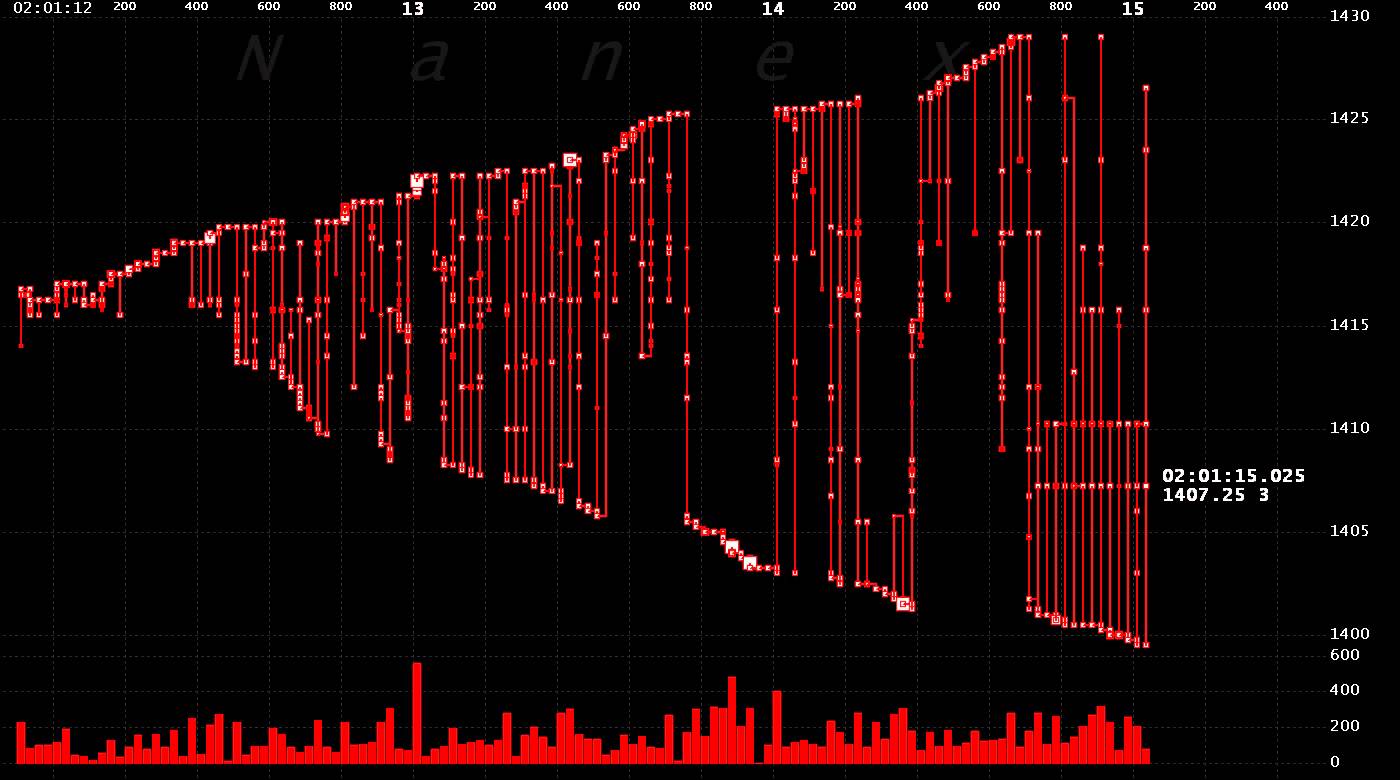
- Smart models and strategies: with HFT you are dealing with tick data, where technical analysis vs fundamental analysis debate is USELESS. You deal with mathematical Data Series. So, your models are based on statistical models, and your goal is to grab such a small profit from each trade.Statistically speaking, if your model is able to profit 50.5% of the time, your system will be VERY profitable at the end of the day. Keep in mind that these models could have +1000 trades per day.
Ariel Silahian
http://www.linkedin.com/in/silahian
Never Miss an Update
Get notified when we publish new analysis on HFT, market microstructure, and electronic trading infrastructure. No spam.
Subscribe by EmailAriel Silahian is a senior technology executive in institutional electronic trading, with 30+ years across the buy and sell side (New York, Miami, London, Hong Kong). He is the author of "C++ High Performance for Financial Systems" (Packt) and the creator of VisualHFT, the open-source microstructure analytics stack. He writes on exchange architecture, market microstructure, and execution quality, and advises a select number of trading firms on infrastructure decisions that move P&L. Book a strategy call at hftAdvisory.com