
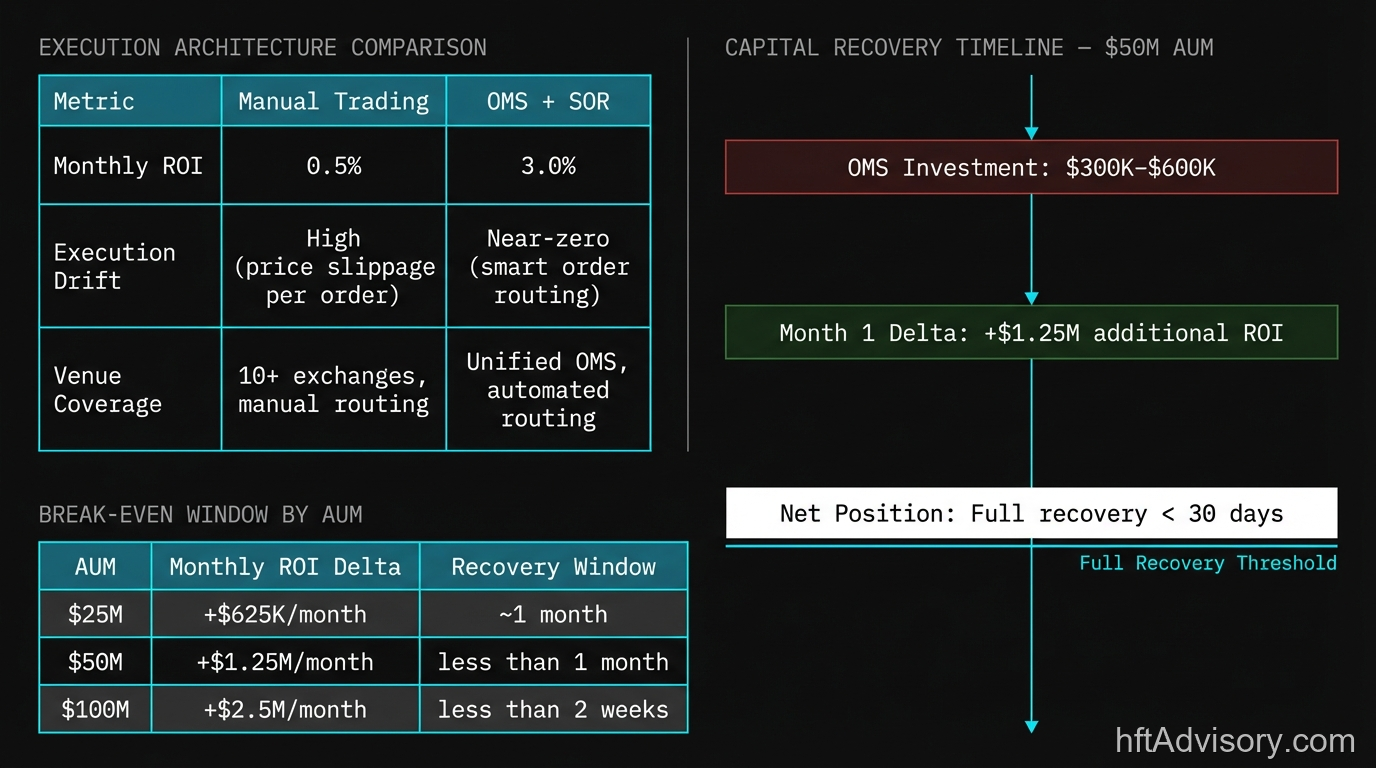
Execution Drift: What Crypto OMS Infrastructure Actually Costs (And What It Returns)
$600K in OMS infrastructure. On a $50M AUM crypto fund, a team-deployed custom system recovered that investment in under two…
High Frequency Trading | Low Latency systems | Market Making Models | C/C++
$600K in OMS infrastructure. On a $50M AUM crypto fund, a team-deployed custom system recovered that investment in under two…
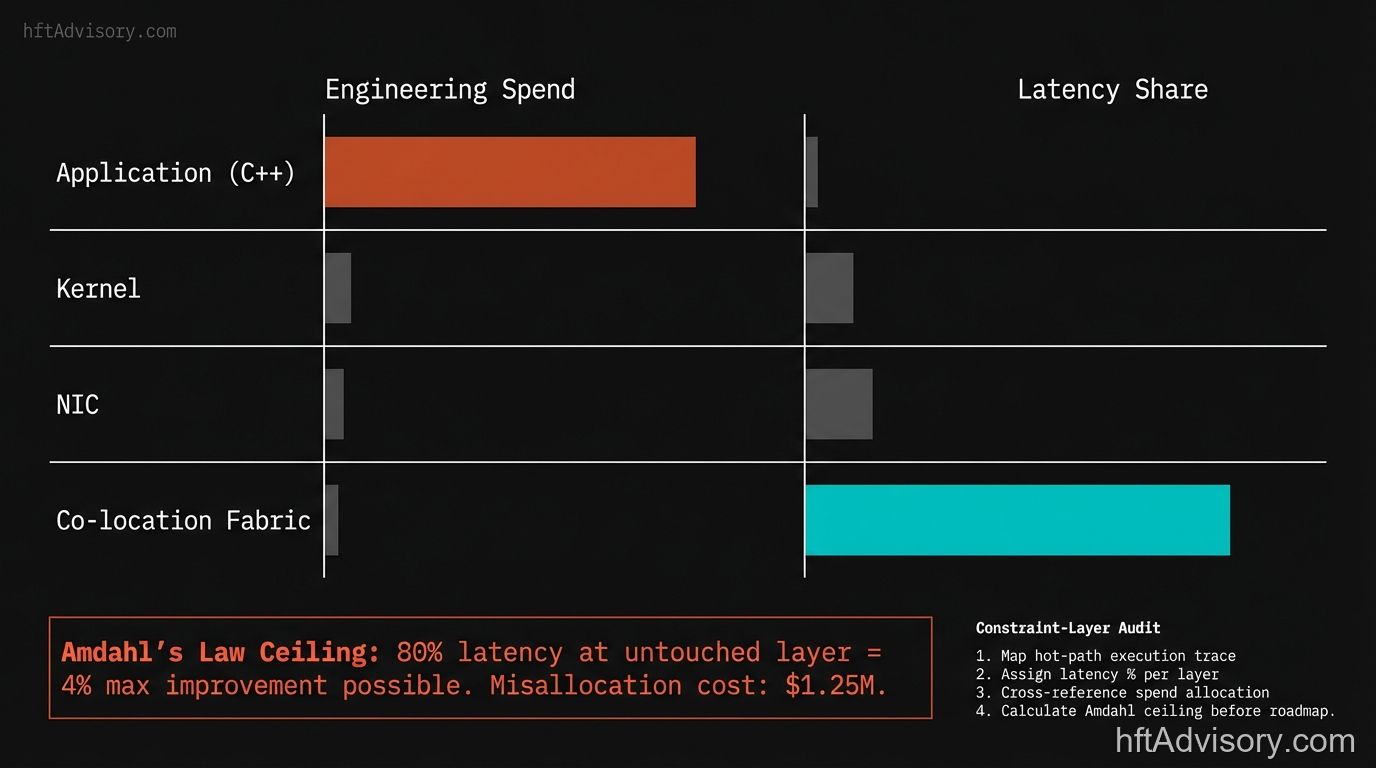
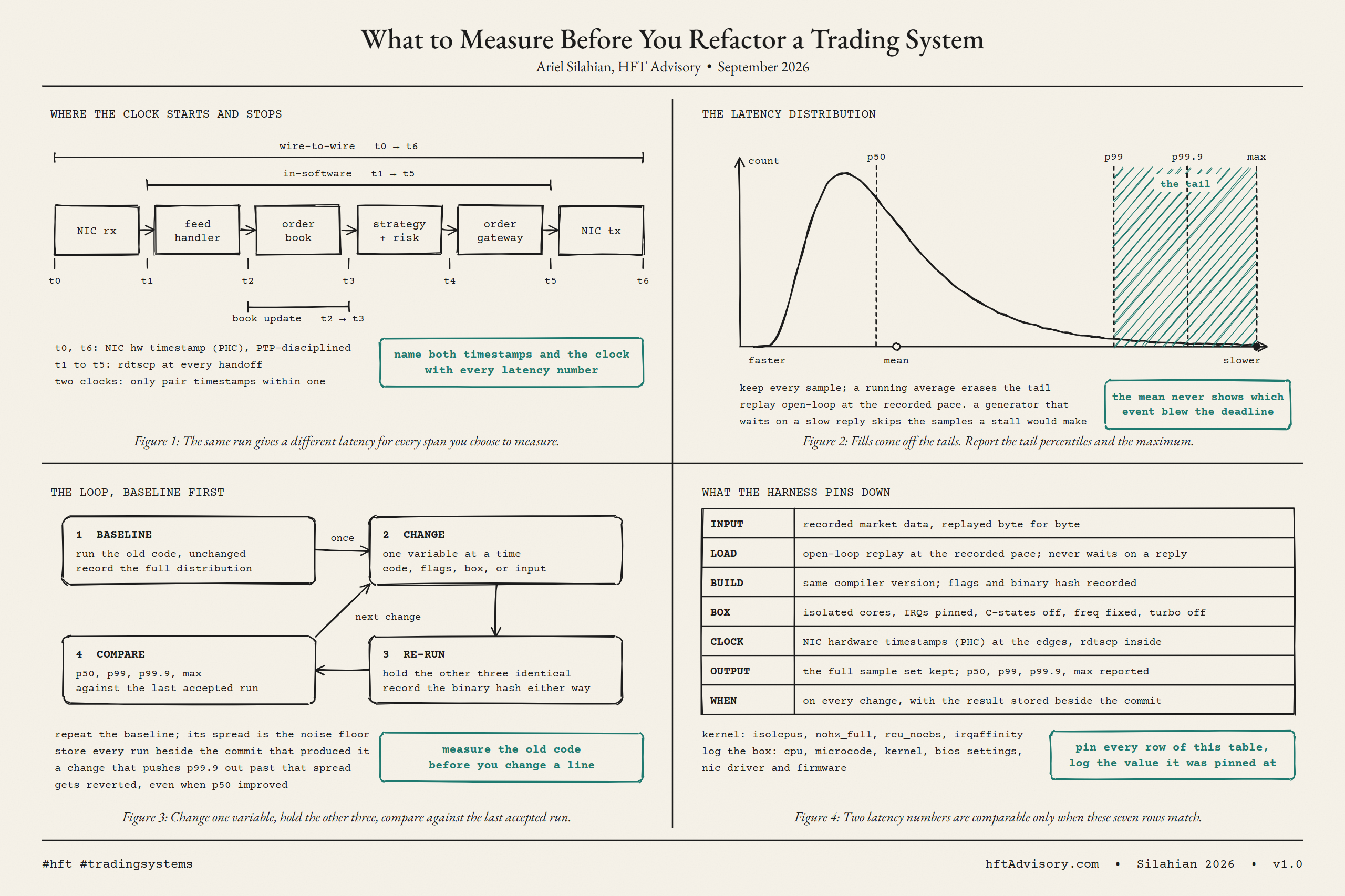
Most HFT latency programs fail before the first sprint ends. Learn the 4-step constraint-layer audit that prevents $1M+ in misallocated engineering spend.
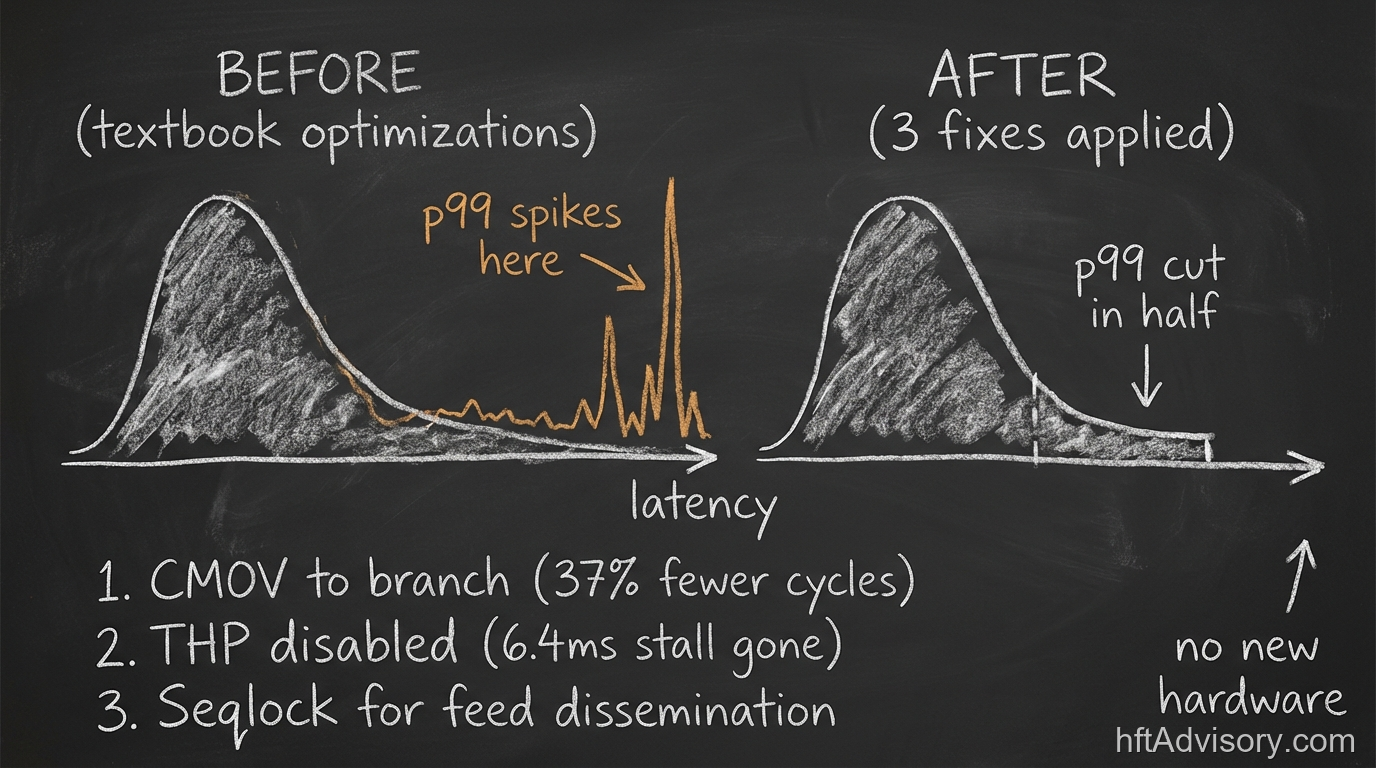
A $500M daily desk applied every C++ optimization in the textbook. Their p99 latency got 23% worse. Here is the three-root-cause post-mortem.
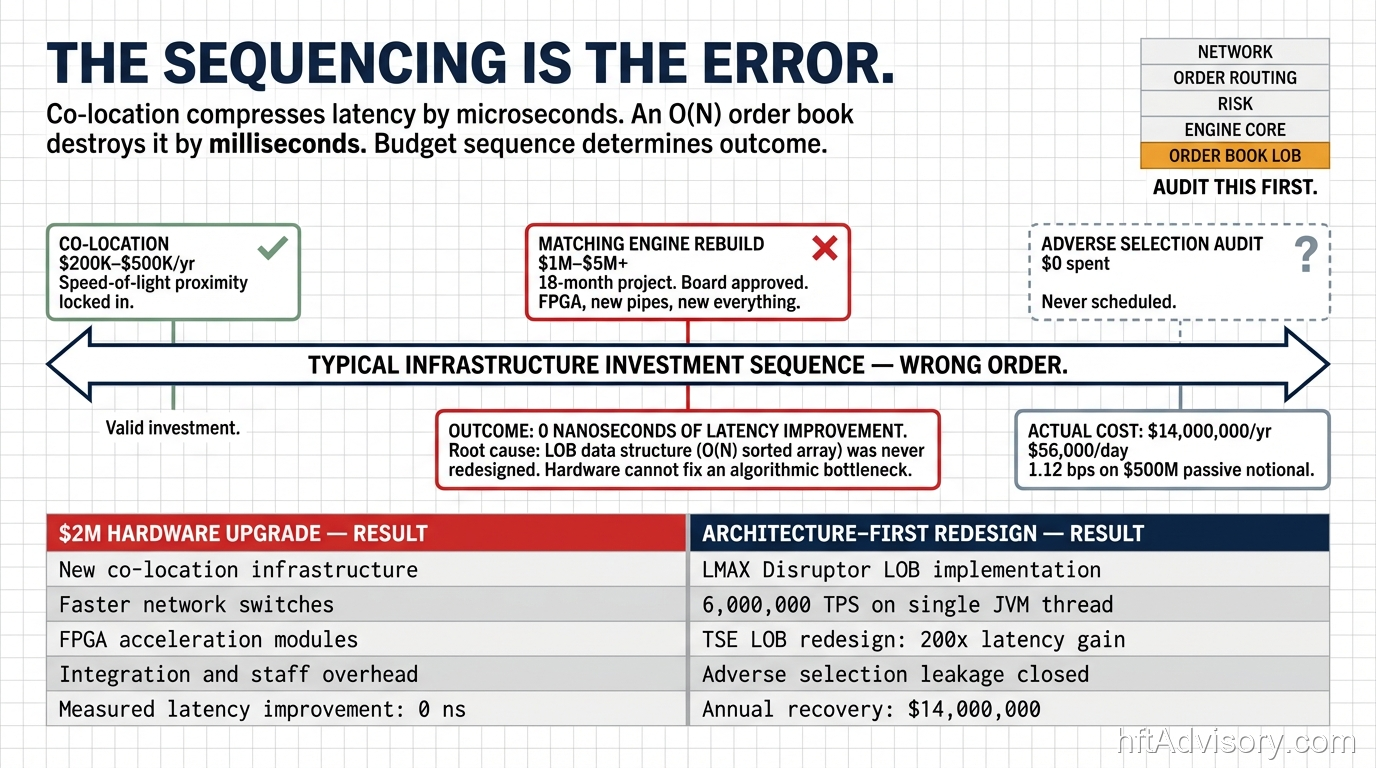
Three budget lines, one sequencing error: co-location spend, adverse selection leakage, and matching engine rebuilds that never profile the LOB layer.
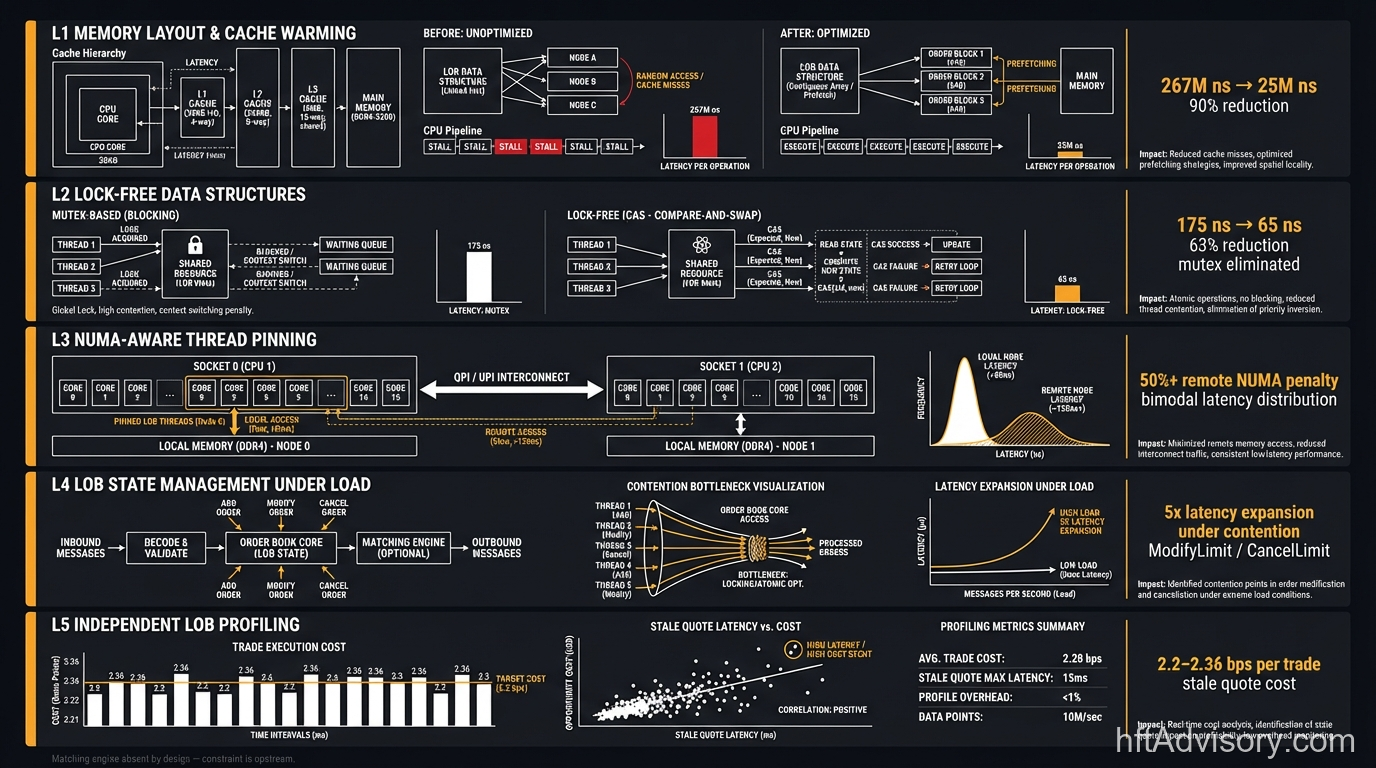
Two matching engine rebuilds, eight months, board approval twice — and the latency profile barely moved. The bottleneck was never the matching engine. This article breaks down the five-layer LOB diagnostic framework that located the actual constraint.
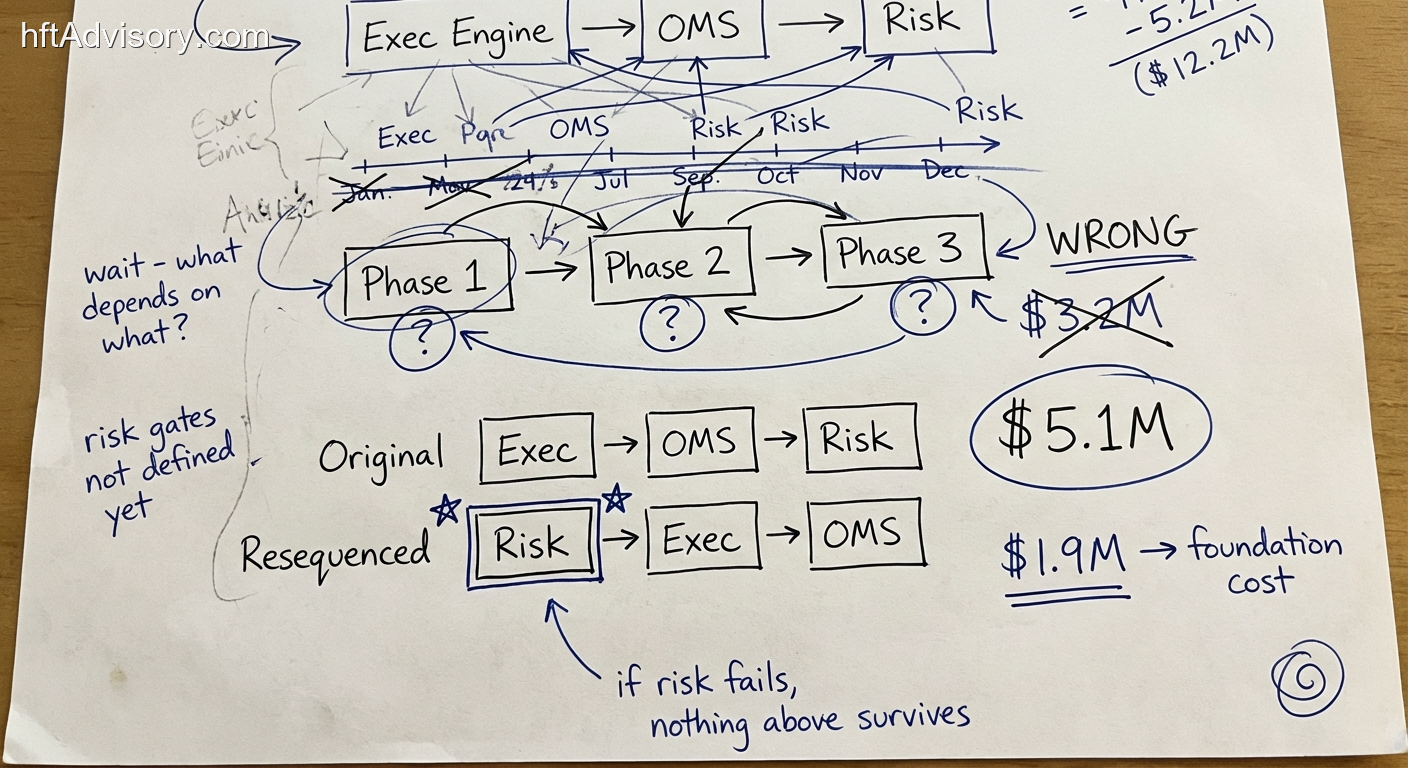
Build your execution engine before risk controls and you expose millions in unguarded capital. Here is the sequencing framework that changes the math.
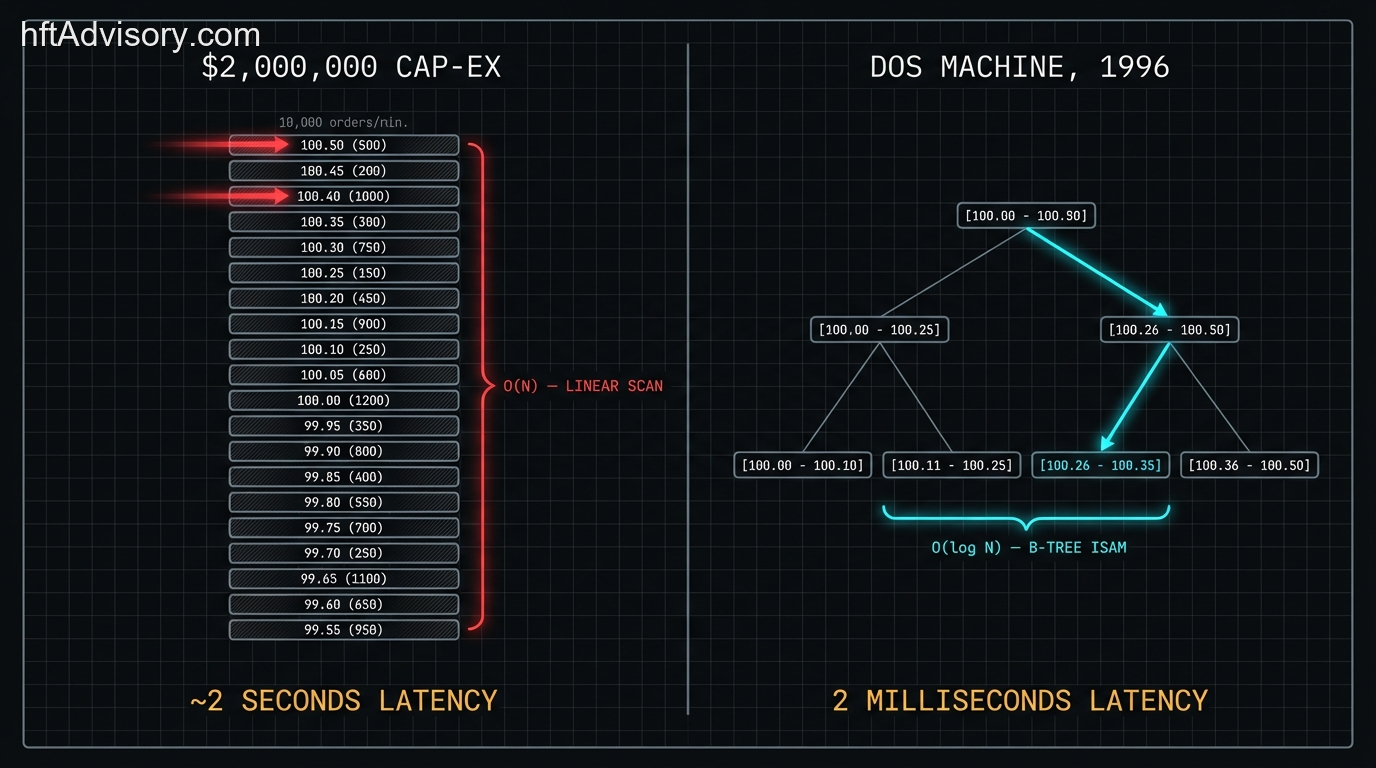
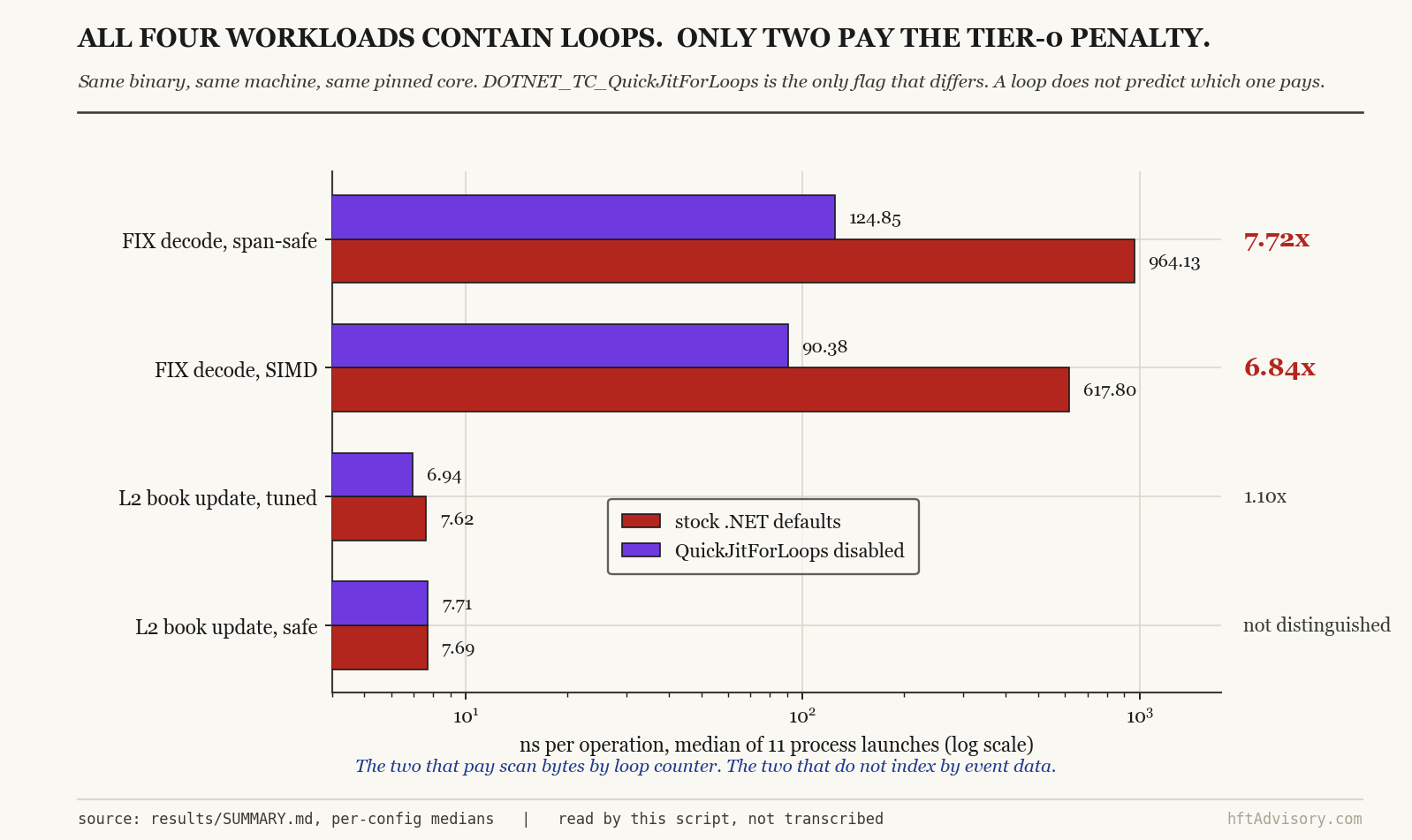
A $2M infrastructure upgrade produced no measurable latency improvement. The hardware was not the problem. A sorted array in the…
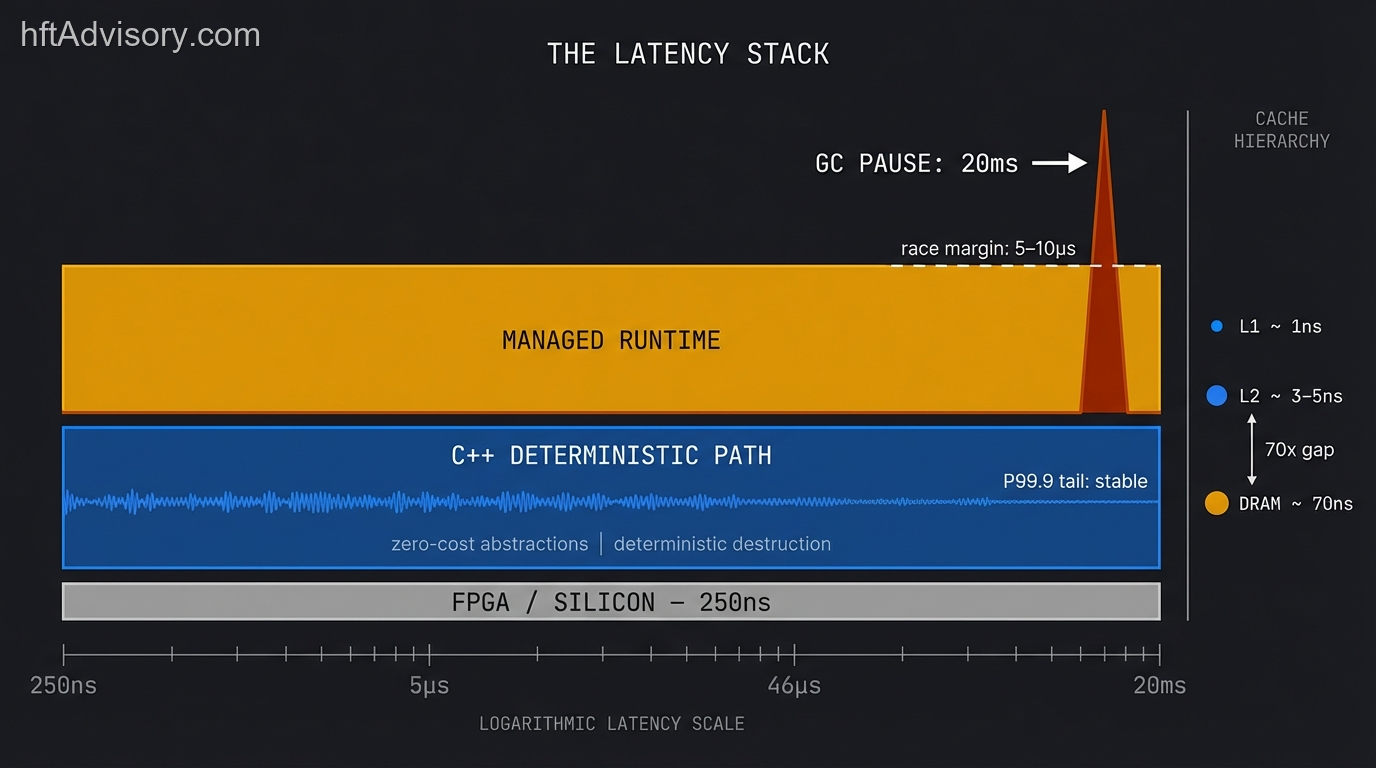
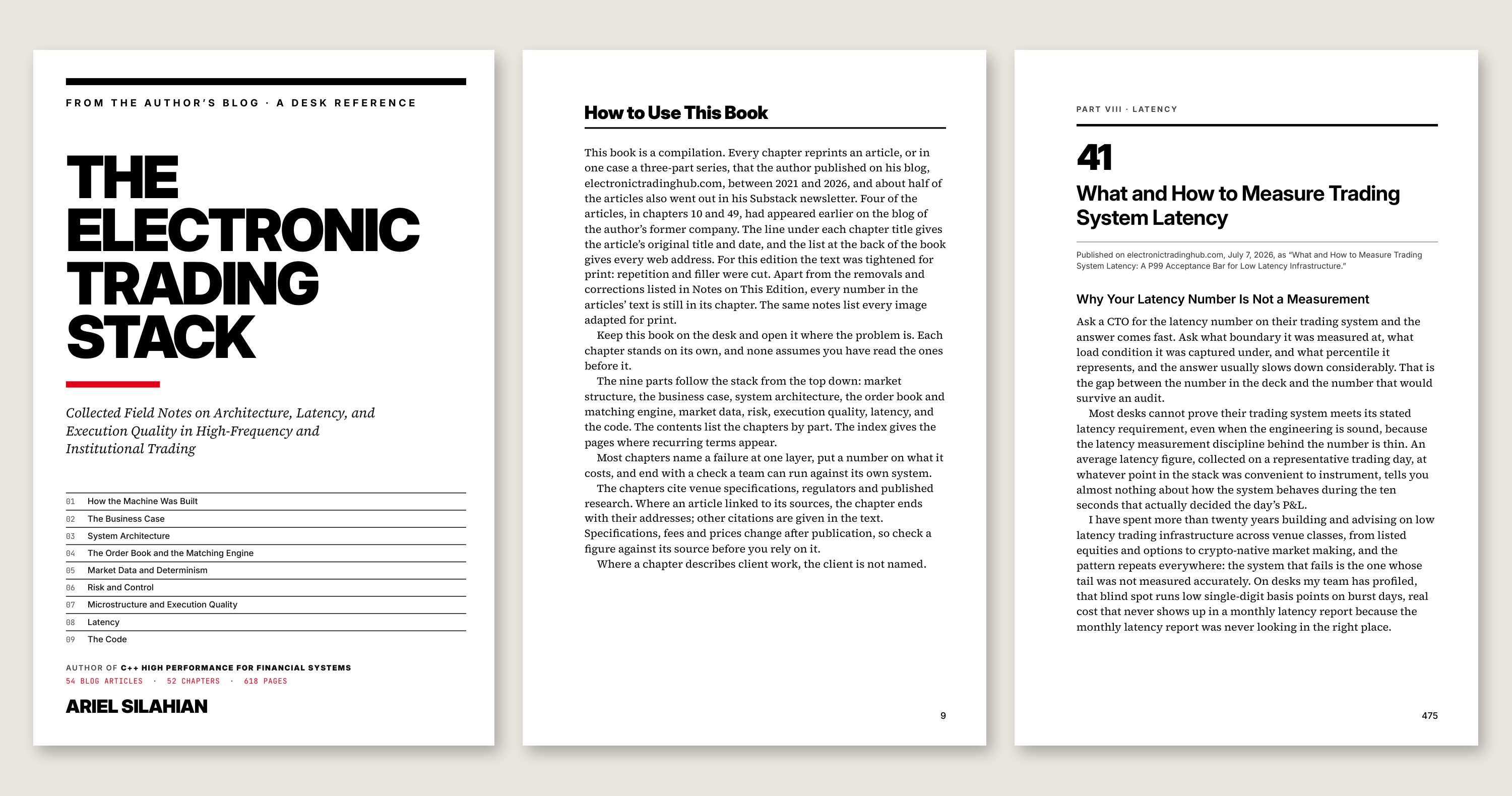
Why C++ remains the only viable language for latency-critical trading paths. 20+ years of HFT experience on determinism, cache control, and tail latency.
Full cost breakdown of a 40-seat trading floor vs. an 8-seat compute-first stack — the numbers CTOs need before signing a floor build budget.
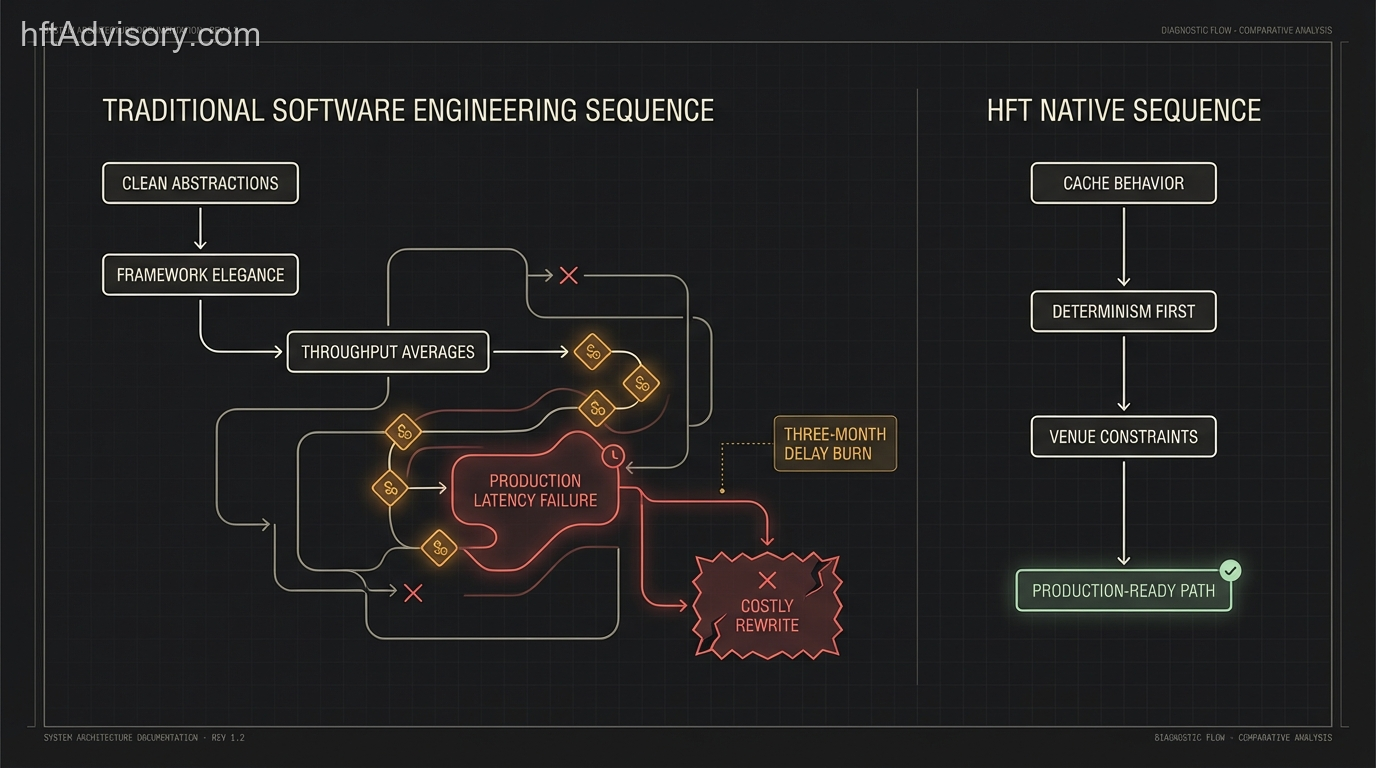
Fifteen strong engineers without HFT experience can burn $3.75M a year discovering constraints in the wrong order. The sequencing framework that compresses low-latency learning curves from 18 months to 7.
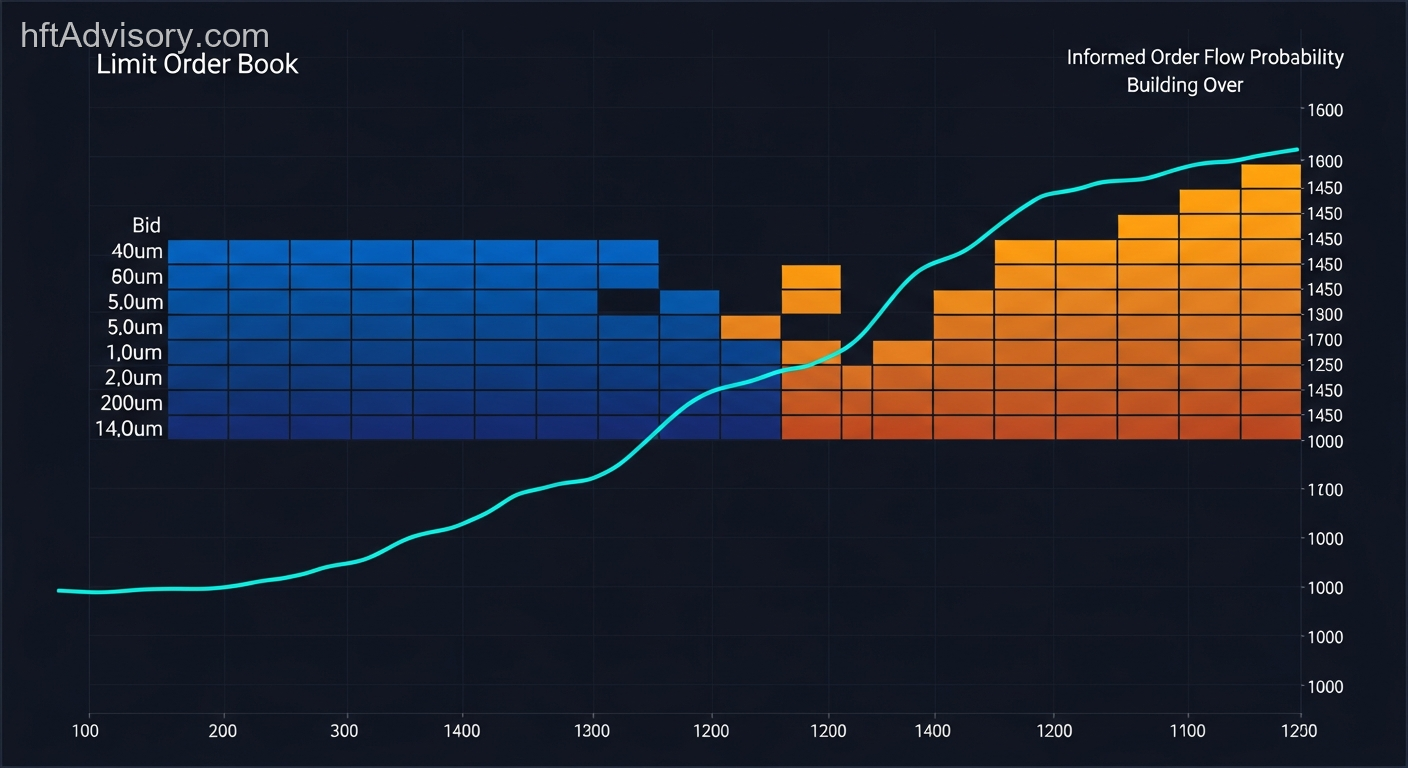
VPIN and LOB imbalance signal informed order flow before the price print moves. Here is why your execution stack is blind to it — and what changes that.
NSE goes nanosecond April 11, 2026. Five infrastructure layers separate firms that capture the upgrade from firms left behind.