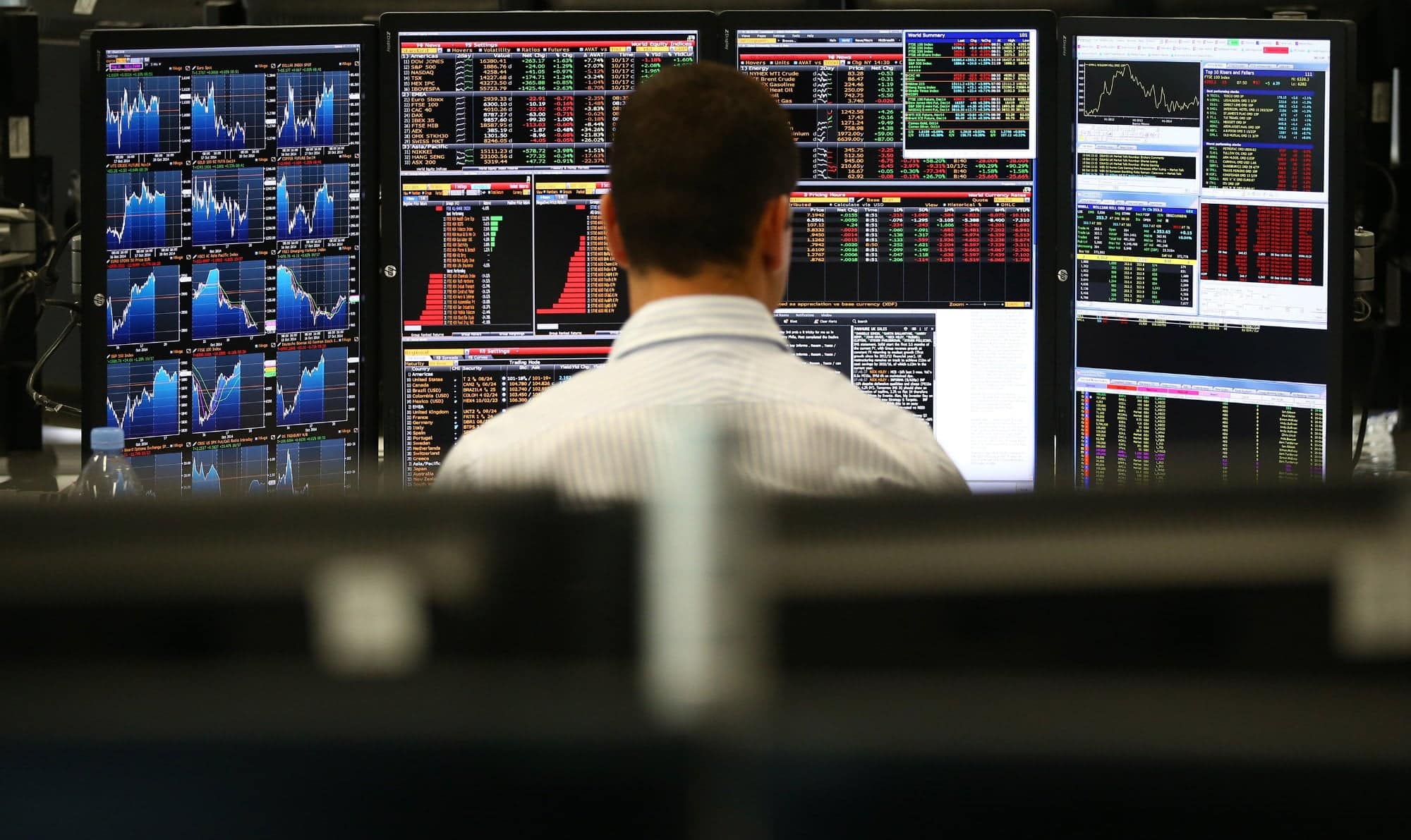

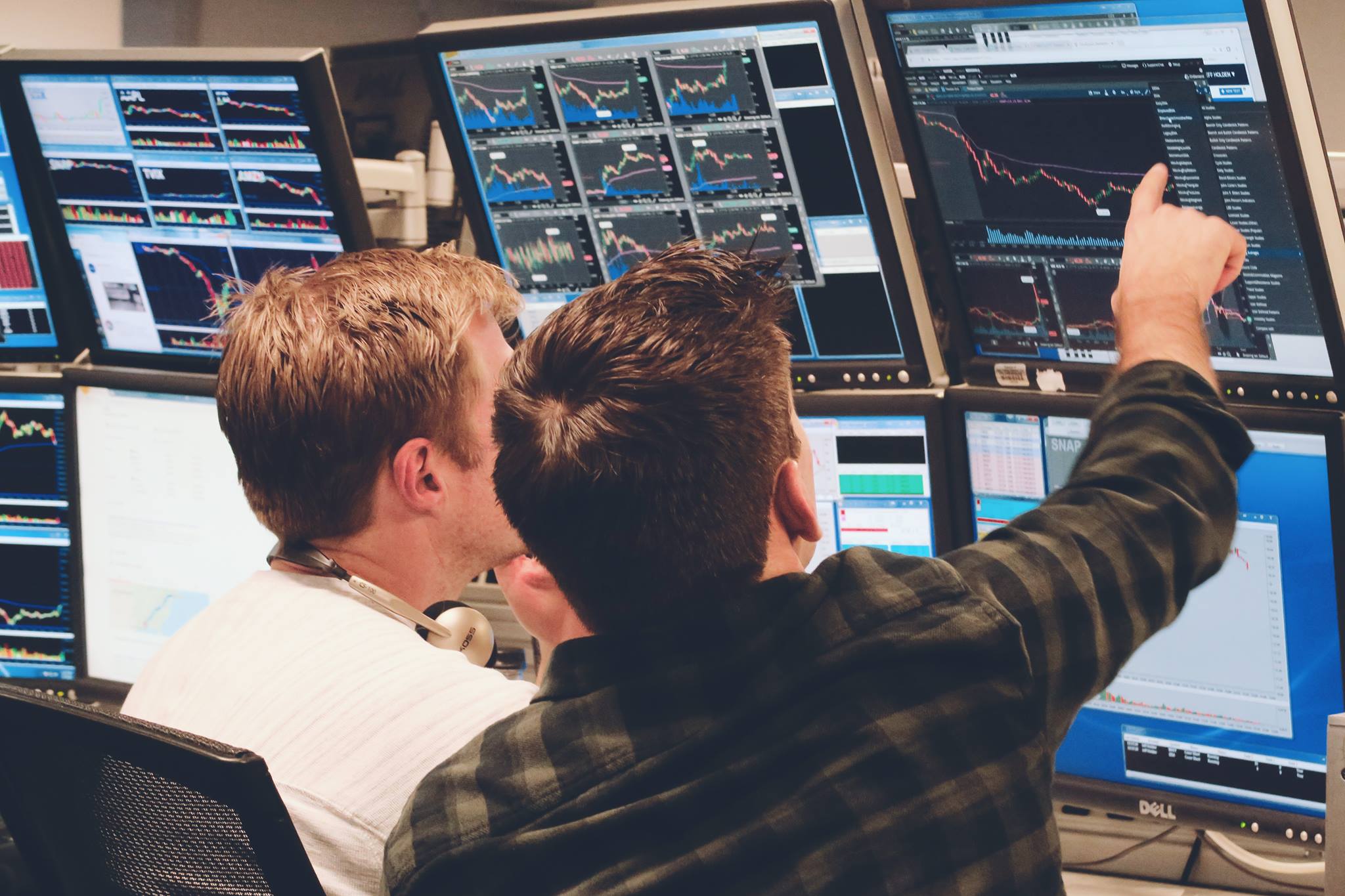
To build a solid FX high-frequency trading environment is an extremely challenging exercise. A HFT engine usually contains the following components: liquidity aggregation, trading strategies manager, execution strategies manager, and risk analytic. Liquidity aggregation involves the utilization of today’s advanced network and computer technologies to extend the connections to as many market participants and liquidity venues as possible. Aggregating liquidities from different sources, a HFT engine will have a great view of FX market movements at a very low latency. Information about changes in price, volume, and volatility, etc. are coming in on a microsecond basis. And, as a result, better trading decisions and execution results can be achieved with better liquidity aggregation. Thus, access to the liquidity pool is very crucial in FX trading.
Trading strategies manager is the central brain of a high-frequency trading engine, which contains the strategies that are developed by traders and quantitative modelers. These strategies are usually built based on statistical data analysis, previous trading experiences, and alpha research, etc. It is the trading strategies that conduct all 14 the real-time market data analysis and make trading decisions on buy or sell certain amounts of currency pairs at certain prices. Execution strategies manager is designed to manage different types of orders (for example, IOC and GTC , etc.) and place orders into the market smartly and efficiently to achieve a high successful rate in its execution. It is very important for a HFT engine to be able to catch the best timing for its execution in this microseconds competition. Risk analytic calculates the realtime risk exposures and measures of the high-frequency trading activities. It is the tool for traders to monitor auto-trading processes that are initiated by the hedging strategies. Traders rely on risk analytic in terms of performing human-intervening for the high-frequency trading engine.
Share if you like it!
ARIEL SILAHIAN
http://www.sisSoftwareFactory.com/quant
https://twitter.com/sisSoftware
Thank you for reading this post, don't forget to subscribe!
Keywords: #forex #fx #risk $EURUSD $EURGBP $EURJPY
Never Miss an Update
Get notified when we publish new analysis on HFT, market microstructure, and electronic trading infrastructure. No spam.
Subscribe by EmailAriel Silahian is a senior technology executive in institutional electronic trading, with 30+ years across the buy and sell side (New York, Miami, London, Hong Kong). He is the author of "C++ High Performance for Financial Systems" (Packt) and the creator of VisualHFT, the open-source microstructure analytics stack. He writes on exchange architecture, market microstructure, and execution quality, and advises a select number of trading firms on infrastructure decisions that move P&L. Book a strategy call at hftAdvisory.com
Reblogged this on Technology & Quantitative Finance.
Ariel: You wrote, “It is the trading strategies that conduct all 14 the real-time market data analysis and make trading decisions on buy or sell certain amounts of currency pairs at certain prices.”
What does the 14 refer to? 14 market data analytic data points? 14 types of analysis? I am quite interested in what you mean here; can you be more specific about your meaning?