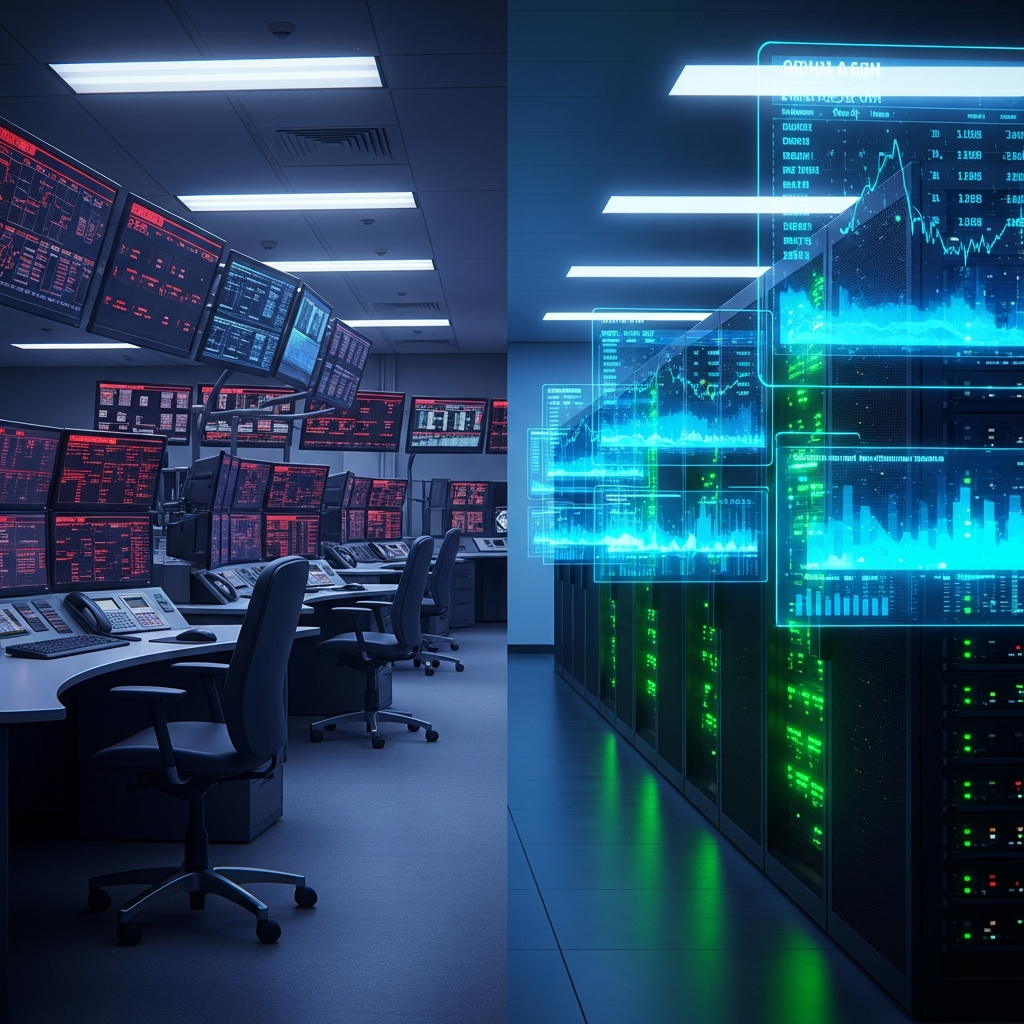

Speed has become a hot topic of conversation in the financial markets. There has been a flurry of crazed conversation about making computers and their network connections faster. Interestingly enough, the truth is that it has ALWAYS been a factor in trading – dating all the way back to the 1700s! The first stock exchange in the U.S. was the Philadelphia Stock Exchange. In the late 1700s bankers in New York would have speeding horse-driven stagecoaches race back-and-forth between the two cities carrying stock prices in an effort to garner a trading advantage between the markets. Then, using “better technology,” stock brokers in Philadelphia (true innovators in the industry!) set up a string of signal stations on the highest hills across New Jersey and broadcast stock prices between New York and Philadelphia using semaphore flags. Signalmen at each station would watch through telescopes and then send the messages along to the next station. It wasn’t until the mid-1800s that this system was eventually replaced by newer, more advanced technology – the telegraph.
The point of this is to note that utilizing new approaches and new technologies to take advantage of better latency profiles has always been a part of our markets. In today’s markets, the time that it takes for people to see quotes & trades, and then respond with their own orders, is measured in fractions of a second. That is truly remarkable. In fact, for active investors, the slowest part of having an idea and then entering an order into the market is the investor himself!
Ariel Silahian
Skype: silahian
http://www.linkedin.com/in/silahian
Tweets by sisSoftware
http://about.me/arielsilahian
Never Miss an Update
Get notified when we publish new analysis on HFT, market microstructure, and electronic trading infrastructure. No spam.
Subscribe by EmailAriel Silahian is a senior technology executive in institutional electronic trading, with 30+ years across the buy and sell side (New York, Miami, London, Hong Kong). He is the author of "C++ High Performance for Financial Systems" (Packt) and the creator of VisualHFT, the open-source microstructure analytics stack. He writes on exchange architecture, market microstructure, and execution quality, and advises a select number of trading firms on infrastructure decisions that move P&L. Book a strategy call at hftAdvisory.com