

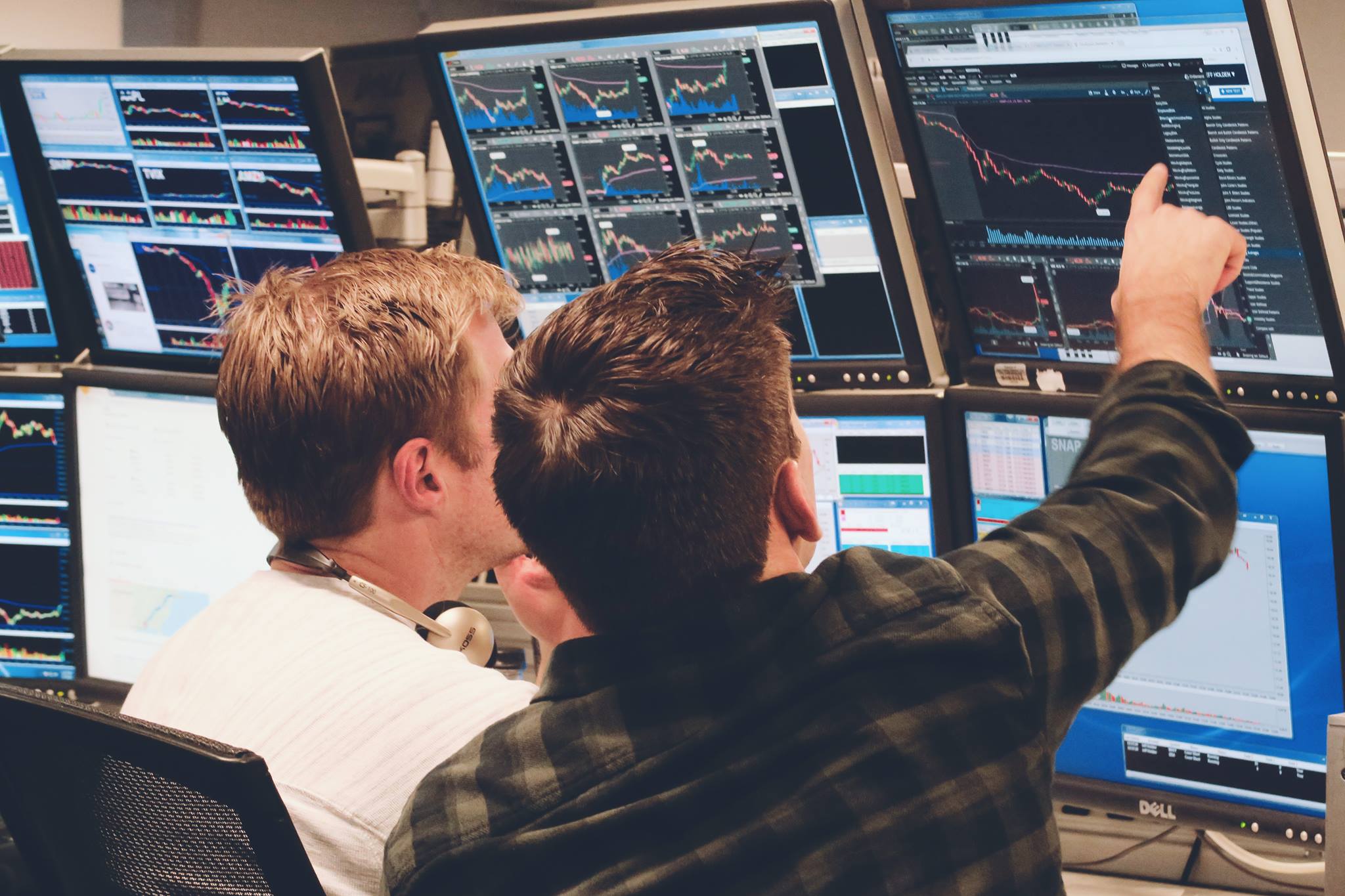
A discretionary trader will still have rules, i.e. a system, for deciding when to enter and exit positions. Most successful discretionary traders even have their rules written down or entered into a trading platform to automatically flag them. Many use software screens to find securities that meet their criteria. Their manual review may consider factors that are difficult to code into software, which they may even characterize as a “gut feel”, but if pressed they can usually explain exactly why a given chart represents a good or bad opportunity.
A systematic trader usually has multiple algorithms and applies discretion as to when an algorithm is ready to deploy, or when one is no longer working, or requires modification. Most trading algorithms only work in certain market conditions, or ultimately stop working altogether as the nature of trading changes. So, systematic traders have to keep a watchful eye on their work, deciding when to change things. So, while the discretion is applied differently, there’s no less of it required.
Definitely Systematic or Algorithmic Trading has an edge over Discretionary trading in many aspects. However, it’s not recommended for the beginners in the financial markets. Here are some of the striking differences between these two forms of trading.

Ariel Silahian
http://www.sisSoftwareFactory.com/quant
Thank you for reading this post, don't forget to subscribe!
https://twitter.com/sisSoftware
Never Miss an Update
Get notified when we publish new analysis on HFT, market microstructure, and electronic trading infrastructure. No spam.
Subscribe by EmailAriel Silahian is a senior technology executive in institutional electronic trading, with 30+ years across the buy and sell side (New York, Miami, London, Hong Kong). He is the author of "C++ High Performance for Financial Systems" (Packt) and the creator of VisualHFT, the open-source microstructure analytics stack. He writes on exchange architecture, market microstructure, and execution quality, and advises a select number of trading firms on infrastructure decisions that move P&L. Book a strategy call at hftAdvisory.com

Reblogged this on Technology & Quantitative Finance.